.webp)

Prosper Health's Autism Resource Center
Featured Article

Social Cues and Autism: Why the "Missed Signals" Narrative Gets It Wrong
Consider this: a coworker asks you to complete a task, “whenever you get the chance,” and you take it at face value. Two days later, you find out the request was urgent, and your coworker assumed their tone made that obvious. Or another example: you're mid-conversation with a friend, and something in their face shifts. You notice it, and you're also tracking their tone, their words, and your own response, all at once. By the time it's processed, the moment to say something has passed.
If either scene felt familiar, you’ve probably been told that you missed something obvious. Maybe you’ve been called hard to read, rude, oblivious, cold, or “bad at people.” But inside, you know that’s not really what happened.
These messages put the entire problem on one person in a conversation between two people. This article looks at autism and social cues, including why social cues can be harder to read for some autistic adults, why misunderstanding is often mutual, and what can help in situations where it matters most.
Misophonia and Autism: Why Certain Sounds Feel Unbearable, and What to Do About It
Do certain everyday sounds — like slurping, tapping, or chewing — send you into a whirlwind of distress or discomfort? Perhaps it’s not just emotional, but also physical, and you can’t shove down the reactions no matter how hard you try. If this feels relatable, you might have a common condition called misophonia.
Research suggests a possible link between misophonia and autism. Autistic individuals are more likely to have sensory sensitivities, after all. In any case, misophonia is “a nervous system response and not a cognizant decision,” says Jacqueline Shinall, Psy.D., a psychologist at neurodivergent-affirming telehealth provider Prosper Health.
Delane, a 27-year-old autistic woman, experiences misophonia due to “human sounds” like eating. “It just feels like someone constantly poking at the same spot, to the point of overstimulation and irritation,” she says. “It takes a lot of self-control to not lash out.”
Let’s take a closer look at what misophonia is, what research shows and doesn’t show about its connection to autism, and how to manage it. Whether you're wondering whether misophonia may be a sign of autism, are autistic and want to understand misophonia, or are simply looking for relief, there's no wrong reason to be here.
The Fear of Being Perceived in Autistic Adults
Let’s say you’re about to go to lunch with a colleague, but you just need to make a few last tweaks on a task.
Your colleague is happy to wait for you and remains quiet while you finish up, but it doesn’t matter. You still feel like you’re being watched. Suddenly, your anxiety skyrockets, and completing your work task now feels impossible with your coworker standing idly by.
Many call this the fear of being perceived — and it’s become a viral shorthand for a much broader feeling — but for autistic and ADHD adults, there’s usually something more concrete that’s happening behind the scenes.
Autistic content creator Morgan Foley even made a video illustrating the fear of being perceived, in which she not only demonstrates how this feeling can present in several scenarios (work, socializing, chores, etc.), but also the thoughts going through her head in that moment.
After reading this article, you will be able to recognize this type of fear as a specific, explainable pattern connected to neurodivergence, understand why it hits differently depending on your neurotype, and identify at least one concrete step toward feeling safer while still being yourself.
Most importantly, this article will help you to answer the question, “Why do I hate being perceived?”
Black and White Thinking: What It Is and Why It Happens
“If I can’t do this project perfectly, I shouldn’t have this job, should I?”
“OMG, my friend canceled our coffee meetup. I knew she never really liked me.”
“My partner forgot I wanted to see The Odyssey this weekend. I think our relationship is in trouble.”
If any of these internal monologues sound familiar, it’s not because someone gained access to your innermost emotions: It’s because these thought patterns are more common than you may think, and they’re known as black-and-white thinking.
Before we delve into these patterns more deeply, know this: It’s okay if you’re unsure whether your black-and-white thinking is a problem, a trait, or both, even if you’ve been told that you tend to “overreact” or that you “can’t see nuance.” Examining this kind of dichotomous thinking doesn’t mean it’s a flaw to be fixed or even a symptom of a specific disorder.
These patterns are just one part of who you are, and you deserve to understand what exactly black-and-white thinking is, what’s driving these patterns, and if you should pursue support.
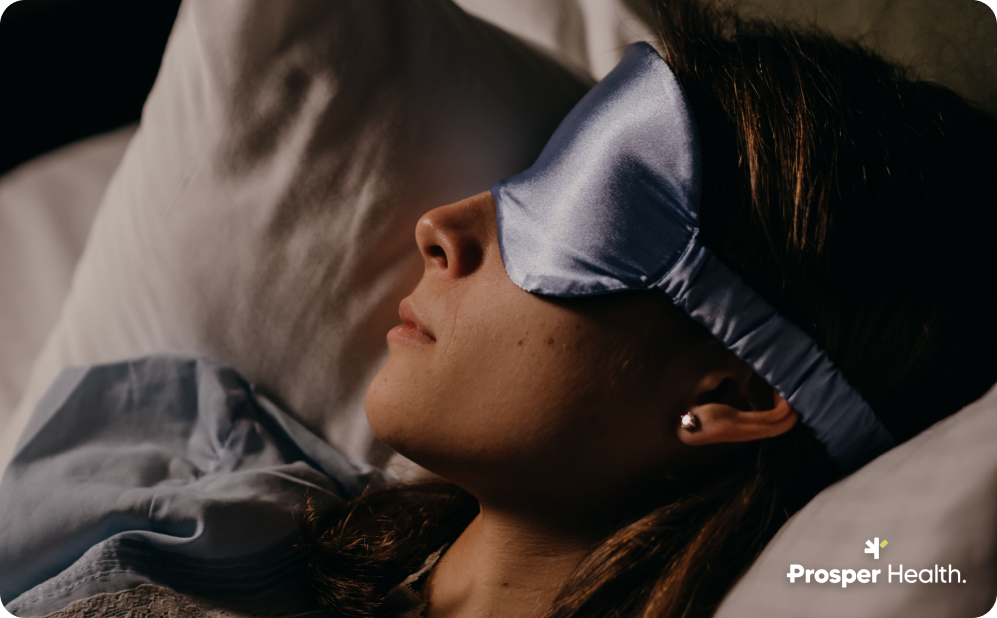
Understanding Autism and Sleep: Navigating Sleep Patterns in Autistic Adults
Do you ever lie in bed exhausted and, instead of falling into pleasant dreams, stay awake in a sensory nightmare? The culprit may be as simple as a wrinkled sheet, scratchy tag, or even the dull hum of a refrigerator.
Alternatively, you may find your mind racing at night, find it impossible to sleep at a normal time, or have any of countless other sleep issues. In any case, you may be intimately familiar with the relationship between autism and sleep issues, whether you realize it or not.
Most studies on autism spectrum disorder or ASD and sleep focus on children. That said, emerging research suggests that sleep problems are common in autistic adults, as well. So, if you’re autistic and have sleep issues, it’s not a matter of poor discipline. Sometimes it’s just a biological reality. The good news? It’s usually treatable.
Read on for more information on why autism and sleep disturbances so often go hand in hand, and how to identify which sleep issues you might have. We’ll also discuss which sleep- improvement strategies often work for autistic nervous systems and when you’re better off consulting a healthcare provider.
Not sure if you’re autistic or not? Learn whether your sleep struggles align with a broader pattern worth exploring.

Unlocking the Power of Self-Care: A Guide for Autistic Adults
For autistic adults, self-care plays a crucial role in managing the unique challenges of life on the spectrum. By prioritizing self-care, autistic individuals can improve their mental health, enhance daily functioning and build resilience against stress and sensory overload.
However, self-care isn't always straightforward for autistic adults. Sensory sensitivities, executive functioning difficulties and social expectations can make implementing and maintaining self-care routines more challenging. Overwhelm from day-to-day demands or a lack of accessible resources may also hinder efforts to practice self-care effectively.
Despite these barriers, self-care can become an empowering tool for autistic adults with thoughtful planning and individualized approaches. By addressing these challenges head-on and finding strategies that work, self-care can support emotional well-being, strengthen independence and lead to a more positive and sustainable quality of life.

How to Develop a Daily Routine For Autistic Adults
According to the diagnostic criteria outlined in the DSM-V, individuals with autism spectrum disorder (ASD) exhibit a preference for sameness and routines. Most people, both neurodiverse and neurotypical, have routines or schedules they like to stick to. The difference between neurotypical and neurodiverse routines is how someone reacts when their routine is disrupted.
Neurotypical individuals may experience frustration if their routine is thrown off, but they can usually go with the flow and adapt without too much stress. For an autistic individual, however, a disruption to their routine is often quite distressing and may even lead to a meltdown. To outsiders, an autistic individual’s stress when facing a change of plans may seem disproportionate, but routine is essential to an autistic person’s well-being.
.png)
Understanding Autism in Adult Women: Why It’s Often Missed and What It Really Looks Like
When I was a little girl in the early 2000s, autism was seen as a disorder that only boys had. My evaluators misdiagnosed my autism as ADHD, and mistreated my symptoms (my stims, masking, and social anxiety). Luckily, awareness around the rainbow of autistic presentations is growing, and things are starting to change. As an AFAB person who now identifies as non-binary, I was able to seek re-diagnosis and affirmation that I'm autistic—something I suspected for the majority of my life.
According to a recent study published in JAMA, autism diagnosis is increasing fastest among women between the ages of 26 and 34. And among those, women sought diagnosis a whopping 3 times more than men. This comes as no surprise, as autism is actually underdiagnosed in women because of biases in testing. The research behind these tests predominantly focused on the experiences of men and boys, so clinicians have trouble catching the varied autistic traits in women and AFAB folks.
This article will focus mainly on the experience of autistic adult women because the medical research is only just starting to catch up with AFAB experience. However, it’s worth noting the ways autism presents in nonbinary people.
Transgender and nonbinary people are around five times more likely to be autistic compared to cisgender people. The Autistic Women and Nonbinary Network’s website is a good place to start if you’d like to find autistic nonbinary people writing about their experiences.
Autism manifests in very specific ways in adult women that have been ignored until now. If you’re a woman or AFAB person wondering if you might be autistic, support is available. Read on to learn more.

Navigating Love: A Guide to Dating Someone with Autism
Relationships are complex and often rewarding, offering connection, intimacy, and growth. This can be doubly true when you’re dating someone with autism.
If you’re neurotypical, you might notice that an autistic partner needs more alone time or is especially sensitive to sensory stimuli. To be clear, these traits aren’t exclusive to autistic individuals, nor are they universal among them. However, there are a couple of common examples of how autistic people often differ from neurotypical partners.
When present, these patterns reflect differences in how autistic people process information, communicate, and experience the world. It might take time to understand these differences, but unique cognitive profiles can add new and exciting dynamics to a relationship.
Communication and processing differences are core aspects of autism, so “navigating them is inevitably going to be a central part of the relationship,” says Dr. Kelly Whaling, Research Lead and Licensed Clinical Psychologist at Prosper Health.
A healthy relationship is rooted in honest communication, mutual understanding, and accommodation. That said, it’s common for people to misread autistic individuals’ behaviors through the lens of neurotypical norms.
So, in this article, we’ll discuss what to know about autism and romance, how factors like masking and social overwhelm impact relationships, and the perks of dating someone autistic. We'll also discuss what healthy support and mutual adaptation can look like, and the difference between processing differences and incompatibility.
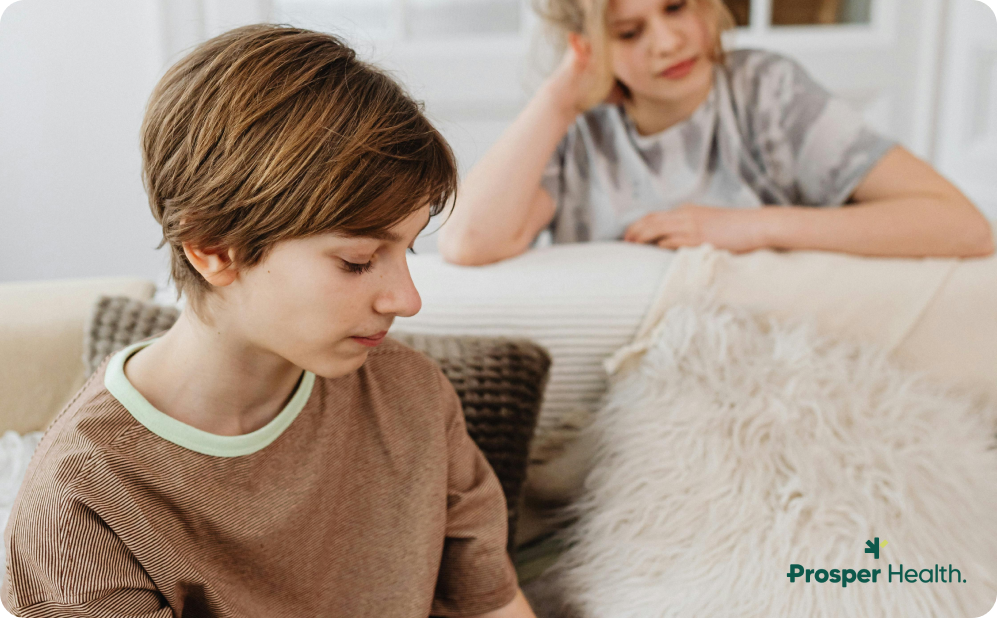
Social Anxiety vs. Autism: Understanding the Differences and Overlap
Like many undiagnosed autistic people, Chelsey Flood spent most of her life feeling “different” and not knowing why. Other people picked up on it, too. She developed terrible social anxiety, constantly questioning whether or not she was coming across as “normal.”
When Flood received a late autism diagnosis, the pieces started coming together. “I began to better understand why social interactions sometimes felt so challenging,” she says.
Flood’s experience is a common one that pops up often in the discussion of social anxiety vs autism. Many autistic people have social anxiety disorder at some point, notes Dr. Jacqueline Shinall, PsyD, a clinical psychologist with Prosper Health.
With that said, not everyone who has one of these conditions necessarily has the other. The signs of autism and social anxiety can look similar on the surface, but they have different causes. Social anxiety is driven by fear of negative judgment or perception from others, while autism involves innate differences in behavior and communication.
Some people are misdiagnosed with one condition, when really, they have the other. Knowing whether you have social anxiety, autism, neither, or both is crucial to getting the support you need. Only a licensed mental health professional can help you determine which is the case for you.
In the meantime, we’ll explore the difference between social anxiety and autism, the overlap between the two, how clinicians tell them apart, and the supports available for both.
We couldn’t find what you’re looking for. Try again with more general keywords, or check out our top reads.


