.webp)


Autism and Related Conditions Resources: Connections, Challenges, and Care
Autism often exists alongside other conditions, known as co-occurring conditions, which can affect physical health, mental well-being, and daily functioning. Understanding the relationship between autism and these conditions is essential for providing comprehensive care and support. This resource page delves into the most common co-occurring conditions, such as social anxiety, ADHD, OCD, and more. Here, you’ll find insights into how these conditions interact with autism, strategies for management, and resources to help individuals and families navigate these complex challenges with confidence and compassion.

Recent Articles

Autism and Psychosis: Overlap, Differences and Co-occurrence
When most people think of psychosis, they think of schizophrenia—not autism. However, psychosis can be associated with several different diagnoses. Although psychosis is not a symptom of autism, it’s more common for autistic individuals to experience psychosis at some point during their lives than it is for neurotypicals.
Psychosis often involves hallucinations and delusions, where an individual perceives things that are not there or believes things that are untrue, respectively. These experiences can feel very real and quite frightening. However, many forms of support can help people thrive while reducing, managing or eliminating symptoms of psychosis.
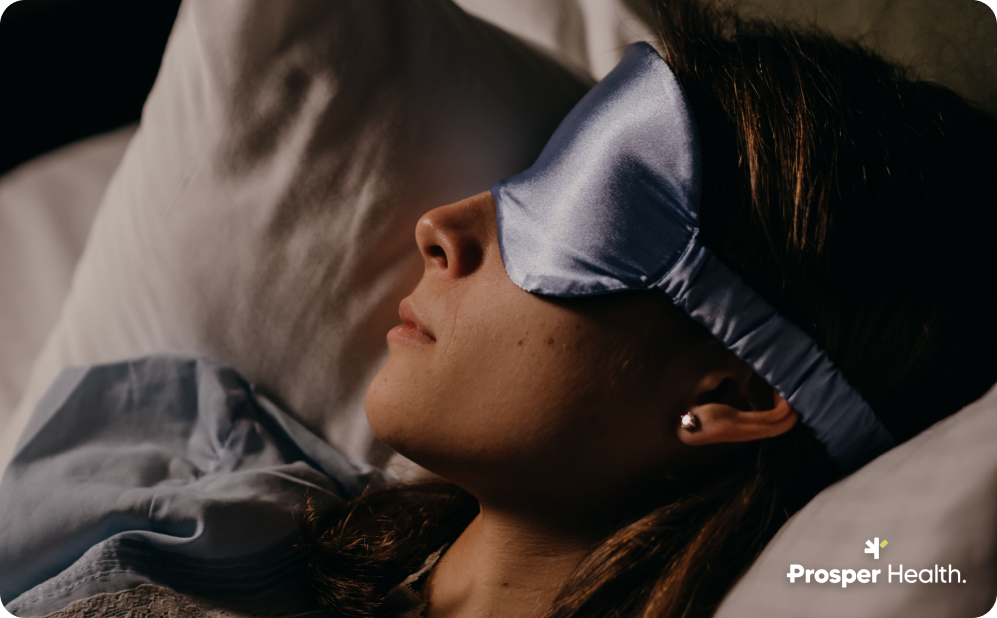
Understanding Autism and Sleep: Navigating Sleep Patterns in Autistic Adults
Do you ever lie in bed exhausted and, instead of falling into pleasant dreams, stay awake in a sensory nightmare? The culprit may be as simple as a wrinkled sheet, scratchy tag, or even the dull hum of a refrigerator.
Alternatively, you may find your mind racing at night, find it impossible to sleep at a normal time, or have any of countless other sleep issues. In any case, you may be intimately familiar with the relationship between autism and sleep issues, whether you realize it or not.
Most studies on autism spectrum disorder or ASD and sleep focus on children. That said, emerging research suggests that sleep problems are common in autistic adults, as well. So, if you’re autistic and have sleep issues, it’s not a matter of poor discipline. Sometimes it’s just a biological reality. The good news? It’s usually treatable.
Read on for more information on why autism and sleep disturbances so often go hand in hand, and how to identify which sleep issues you might have. We’ll also discuss which sleep- improvement strategies often work for autistic nervous systems and when you’re better off consulting a healthcare provider.
Not sure if you’re autistic or not? Learn whether your sleep struggles align with a broader pattern worth exploring.

Social Anxiety vs. Autism: Understanding the Differences and Overlap
Like many undiagnosed autistic people, Chelsey Flood spent most of her life feeling “different” and not knowing why. Other people picked up on it, too. She developed terrible social anxiety, constantly questioning whether or not she was coming across as “normal.”
When Flood received a late autism diagnosis, the pieces started coming together. “I began to better understand why social interactions sometimes felt so challenging,” she says.
Flood’s experience is a common one that pops up often in the discussion of social anxiety vs autism. Many autistic people have social anxiety disorder at some point, notes Dr. Jacqueline Shinall, PsyD, a clinical psychologist with Prosper Health.
With that said, not everyone who has one of these conditions necessarily has the other. The signs of autism and social anxiety can look similar on the surface, but they have different causes. Social anxiety is driven by fear of negative judgment or perception from others, while autism involves innate differences in behavior and communication.
Some people are misdiagnosed with one condition, when really, they have the other. Knowing whether you have social anxiety, autism, neither, or both is crucial to getting the support you need. Only a licensed mental health professional can help you determine which is the case for you.
In the meantime, we’ll explore the difference between social anxiety and autism, the overlap between the two, how clinicians tell them apart, and the supports available for both.


