.webp)

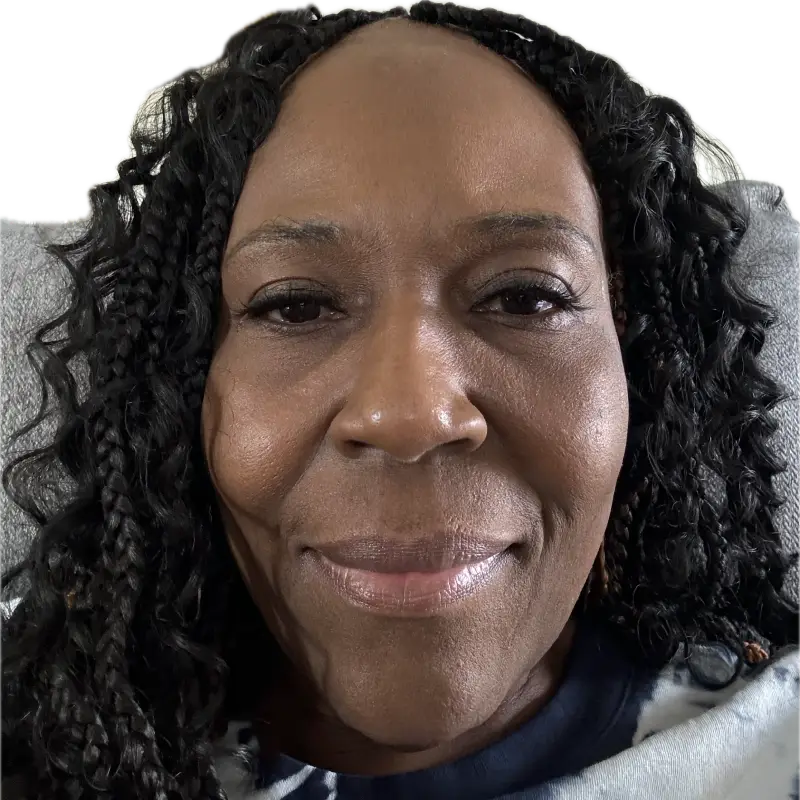
Yolanda Crouch
About
Dr. Yolanda Crouch is a seasoned Licensed Clinical Therapist and Certified Rehabilitation Counselor (CRC) with more than 20 years of experience serving diverse social service settings. Throughout her career, she has provided clinical psychotherapy, supervision, and guidance to professionals working with children, families, and individuals presenting a wide range of counseling needs. Dr. Crouch utilizes a person-centered, compassionate, and individualized therapeutic approach, tailoring interventions to meet the unique needs of clients across the lifespan. I specialize in helping individuals who are feeling the distress of life I challenge you to identify your thoughts so you can view life more positive. As a therapist, I have worked with clients with a wide range of concerns anxiety, depression, disability and career challenges, as well as emotional and physical trauma to cite a few.
Dr Crouch has choose to specialize in working with autistic and neurodivergent clients because I’ve seen how often they are misunderstood, overlooked, or expected to fit into systems that weren’t designed with them in mind. I’ve always been drawn to understanding different ways of thinking and experiencing the world, and this path felt like a meaningful way to honor that diversity rather than try to “fix” it.Over time, I’ve come to deeply value the honesty, creativity, and unique perspectives that neurodivergent individuals bring. I wanted to create a space where clients feel genuinely seen, respected, and supported as they are—not pressured to mask or change who they are. This work feels important to me because it’s not just about providing support; it’s about advocating for acceptance, building trust, and helping people feel safe enough to be their authentic selves.
Dr. Crouch uses an affirming, strengths-based approach is centered on each person’s unique abilities, perspectives, and lived experiences. Every individual already holds valuable strengths, and the work focuses on recognizing, nurturing, and building upon those qualities rather than emphasizing deficits or what needs to be fixed.Each client is met with curiosity, compassion, and deep respect for who they are. Careful listening helps create a space where clients feel safe to show up authentically and share their experiences without judgment. Together, existing strengths—such as creativity, resilience, attention to detail, empathy, or problem-solving—are identified and expanded in ways that support personal goals and growth.This approach is rooted in affirmation and empowerment. Consideration is given to the ways systems and environments may not always support neurodivergent ways of being, while fostering self-trust and confidence in each person’s identity and instincts. Ongoing support is grounded in a commitment to helping clients deepen self-understanding, celebrate their strengths, and move toward a life that feels meaningful and aligned with who they are.


