.webp)

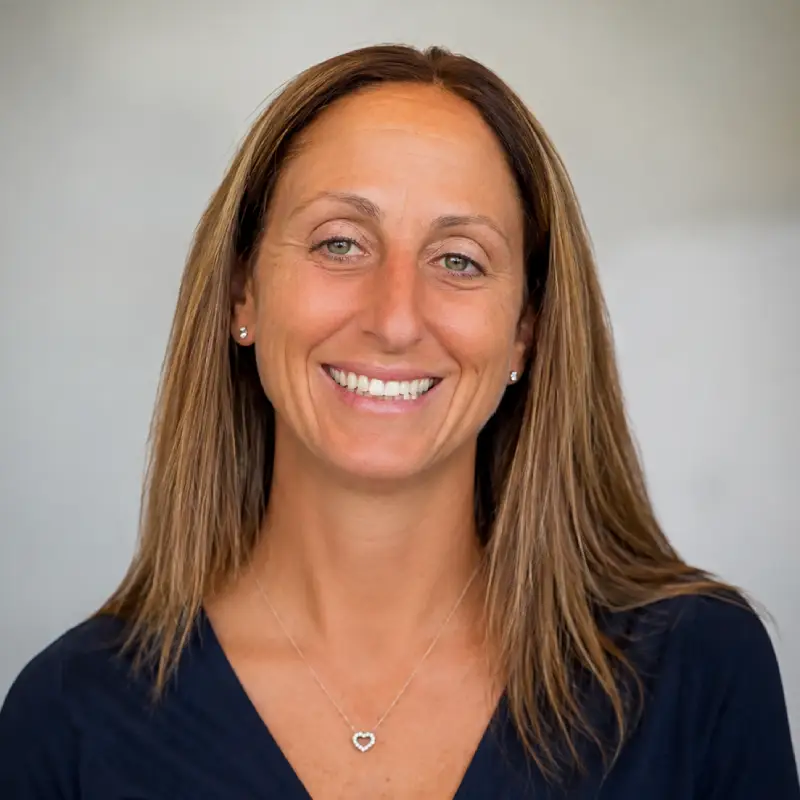
Stacey Katz
About
Hi there, I'm Dr. Stacey Katz! I am a psychologist living and working in the Atlanta, Georgia area. Much of my professional experience has been centered on working with older adults in long term care and skilled nursing settings. I have a passion for helping individuals navigate life's challenges with dignity, compassion and understanding. An important part of my approach is building trust and creating a therapeutic environment in which residents feel heard, respected and valued. My goal is to bring that same approach to my assessment work today. I'm committed to making the process feel supportive, comfortable and meaningful. I would love to partner in helping you understand your experiences, recognize your strengths, and have clearer sense of what comes next.
Over the years, my work with older adults in long term care settings taught me how important it is to really listen to folks and understand their personal experiences. Getting to know residents, hearing their stories, and understanding what they were going through taught me the importance of slowing down and listening. That experience is one of the reasons I became interested in working with autism and neurodivergent individuals. I hope to partner with you throughout the process, taking the time to understand what you have experienced and what you are hoping to learn from the assessment. Understanding how autism and other forms of neurodivergence may affect communication, relationships and management of everyday life can bring a lot of clarity. My hope is that through the assessment process, you can better understand yourself and find ways to use your strengths in your daily life and relationships.
For me, being affirming and strength-based begins with getting to know the person and not just focusing on a diagnosis or what they may be struggling with. My years working with older adults in long term care settings really shaped that perspective. I learned how important it is to listen to someone's story and understand who they are, what is important to them, and what they are still able to do, even when dealing with significant challenges. I take that same approach when working with autistic or neurodivergent adults. For many adults, finally having an explanation for things they have struggled with can be really meaningful. I want the assessment to help put some of the pieces together and give clients a better understanding of themselves-not just a diagnosis.


