.webp)

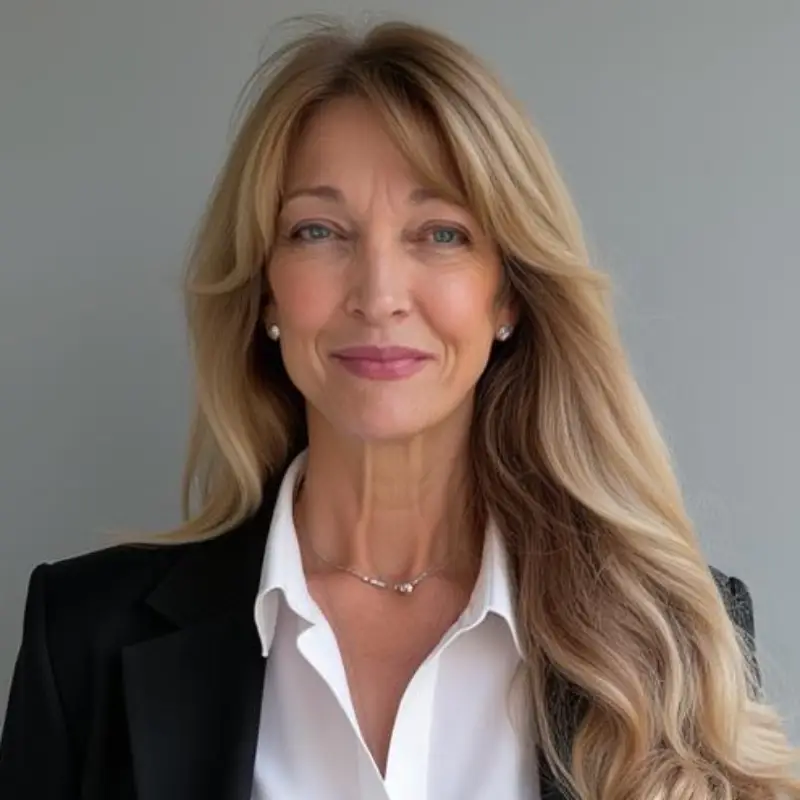
Sherrie Baehr
About
Hello and welcome. I’m Dr. Sherrie Baehr, a Clinical Neuropsychologist licensed in Florida. For more than 30 years, I have been dedicated to working with adults, and families navigating the challenges of neurological, neurodevelopmental, and psychological conditions.
My passion lies in helping people better understand themselves and discover practical pathways toward growth, resilience, and improved quality of life. Throughout my career, I have specialized in acquired brain injury, Neurodevelopmental conditions such as ADHD in both adults and children, Post Traumatic Stress Disorder PTSD and mood disorders including anxiety, depression. I believe that behind every diagnosis is a unique individual with strengths, hopes, and untapped potential.
As a clinician, I strive to create a warm, compassionate, and collaborative environment where people feel genuinely heard, understood, and supported. Whether you are seeking answers through assessment, navigating a life transition, my goal is to provide clear guidance, evidence-based recommendations, and a supportive partnership throughout the process.
In addition to my clinical work, I am the founder of The Silverlining Brain Injury Charity, a UK-wide organization dedicated to helping people rebuild their lives after brain injury through kindness, creativity, opportunity, and shared hope. This work has reinforced my belief that recovery and personal growth are most successful when people feel connected, valued, and empowered.
I look forward to the opportunity to work alongside you and support you on your journey.
My journey into neuropsychology and neurodevelopmental assessment began through my work with individuals and families affected by acquired brain injury. Over the years, I became increasingly fascinated by the many different ways the brain develops, adapts, and influences how we think, learn, communicate, and experience the world. This naturally led me to specialize in working with neurodivergent individuals, including those with ADHD and Autism.
What I value most about this work is the opportunity to help people better understand themselves. Many of the individuals and families I meet have spent years feeling misunderstood, struggling to make sense of their experiences, or wondering why certain aspects of life seem more challenging for them than for others. A high-quality assessment can be transformative, providing not only answers but also a framework for understanding strengths, differences, and opportunities for growth.
I am passionate about taking a strengths-based and neuroaffirming approach. While it is important to understand areas of difficulty, I believe it is equally important to recognise the unique abilities, perspectives, creativity, and problem-solving skills that often accompany neurodivergence. Every individual has their own story, and my role is to help uncover a clearer understanding of that story while providing practical recommendations that can make everyday life more manageable and fulfilling.
Above all, I am driven by a desire to help people feel seen, understood, and accepted for who they are. My goal is to provide a supportive and respectful experience that empowers individuals to embrace their strengths, navigate challenges with confidence, and move forward with greater self-understanding.
My approach is grounded in the belief that neurodiversity represents natural variations in how people think, learn, communicate, and experience the world. Rather than viewing neurodivergence through a deficit-based lens, I focus on understanding each individual’s unique profile of strengths, abilities, interests, and support needs.
I strive to create a warm, respectful, and collaborative environment where clients feel genuinely heard and understood. Whether I am conducting an assessment or providing consultation, I take the time to understand the whole person—not just the symptoms or challenges that brought them to seek support. My goal is to help individuals and families develop a deeper understanding of how their brain works, while identifying practical strategies that build on existing strengths and support long-term success.
A strengths-based assessment goes beyond identifying areas of difficulty. It highlights creativity, problem-solving abilities, perseverance, attention to detail, empathy, innovation, and the many other qualities that often accompany neurodivergent thinking. I believe that understanding these strengths is just as important as understanding areas where additional support may be beneficial. This balanced perspective helps individuals develop greater self-confidence, self-acceptance, and a clearer sense of identity.
Throughout my career, I have worked with people across the lifespan, including those with Autism, ADHD, acquired brain injury, and complex neuropsychological presentations. This experience has reinforced my belief that every individual has the capacity to grow, learn, and thrive when they are understood, supported, and given the opportunity to build on their natural abilities.
My role is not to define people by a diagnosis, but to help them better understand themselves, recognize their strengths, and access the tools, accommodations, and opportunities that allow them to reach their full potential. I am committed to providing a compassionate, neuroaffirming experience that leaves individuals feeling empowered, respected, and hopeful about the future.


