.webp)

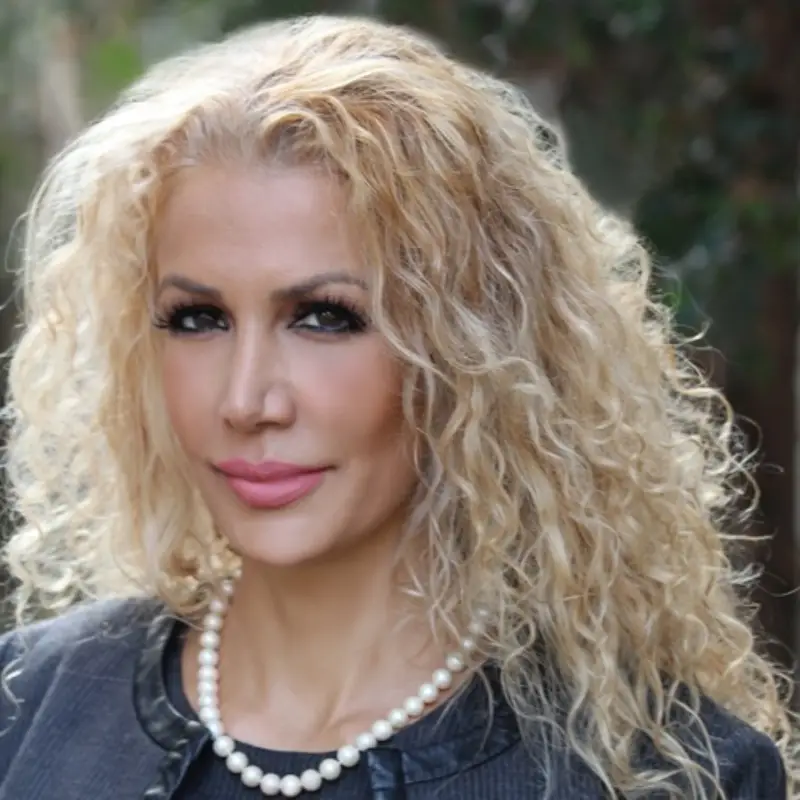
Shani Habibi
About
I’m a licensed clinical psychologist based in California, where I’ve had the privilege of working across a range of settings—from community mental health and inpatient care to higher education and private practice. As a first-generation college graduate, I’ve always been deeply driven by a belief in access, representation, and the transformative power of education and mental health care.My work is grounded in both evidence-based practice and genuine human connection. I draw from cognitive-behavioral and systemic approaches, but more importantly, I meet each person where they are—taking the time to understand their story, their context, and what healing or growth truly looks like for them. Whether I’m working with individuals navigating anxiety, identity development, life transitions, or more complex clinical concerns, my goal is to create a space that feels both safe and empowering.In addition to my clinical work, I’m a professor of psychology, which keeps me closely connected to emerging research, diverse perspectives, and the next generation of clinicians. Teaching and practicing inform one another in meaningful ways—they both reflect my commitment to lifelong learning, cultural humility, and helping others build insight and resilience.At the core of everything I do is a simple but powerful belief: people are incredibly capable of change when they feel seen, supported, and understood.
My path toward working with autistic and neurodivergent clients didn’t come from a single moment—it grew out of years of noticing who was being misunderstood, overlooked, or asked to “fit” into systems that weren’t built with them in mind.Early in my clinical work, particularly in community mental health and correctional settings, I encountered many individuals whose needs weren’t being accurately identified. What was often labeled as “noncompliance,” “rigidity,” or even behavioral issues frequently reflected differences in sensory processing, communication style, or cognitive patterns. That realization shifted something for me. I became deeply interested in understanding neurodivergence through a more nuanced, strengths-based lens rather than a purely deficit-focused one.At the same time, my work in assessment and teaching gave me a front-row seat to how frequently neurodivergent individuals—especially adults, women, and those from diverse cultural backgrounds—are misdiagnosed or diagnosed late. That gap reinforced my commitment to doing better: to listen more carefully, to question assumptions, and to approach each client with curiosity rather than judgment.What continues to drive me is the opportunity to create a space where neurodivergent clients don’t feel like they have to mask or explain themselves to be understood. I value helping individuals make sense of their experiences in ways that feel affirming, practical, and empowering—whether that’s through skill-building, self-advocacy, or simply being seen clearly for who they are.Ultimately, this work aligns deeply with my broader values: honoring diversity in all its forms, challenging systems that marginalize, and helping people build lives that feel authentic and sustainable for them.
I bring an affirming, strength-based approach to my work by intentionally shifting the focus from “what’s wrong” to “what’s already working—and how we can build on it.” Every client comes in with a unique set of abilities, insights, coping strategies, and lived experiences that have helped them navigate the world, even when it hasn’t always felt supportive or understanding. My role is to help identify those strengths, make them visible, and use them as a foundation for growth.In practice, this means I approach each person with curiosity, respect, and the assumption that their way of thinking, feeling, and engaging with the world makes sense within their context. Rather than trying to “fix” or change who someone is, I work collaboratively to help them better understand themselves, reduce distress where it exists, and expand the tools and environments that allow them to thrive. For neurodivergent clients in particular, this often includes normalizing differences, reducing the pressure to mask, and supporting more authentic ways of functioning that align with their values and needs.Compassion and affirmation are central to how I show up. I strive to create a space where clients feel genuinely seen, heard, and respected—not just for their challenges, but for their resilience and potential. I also recognize the importance of cultural context and identity in shaping each person’s experience. As someone who values multicultural awareness and inclusion, I’m mindful of how systems, culture, and identity intersect with mental health, and I aim to provide care that is both culturally responsive and empowering.Ultimately, my commitment is to walk alongside clients as they reconnect with their strengths, deepen their self-understanding, and build lives that feel more aligned, sustainable, and fully their own.


