.webp)

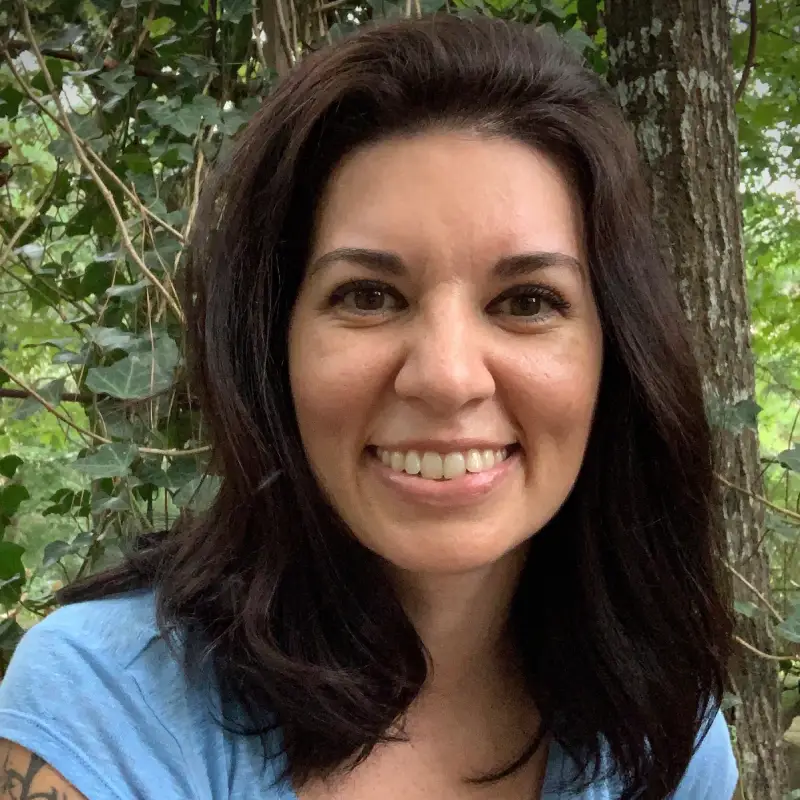
Sasha Mondragon
About
Hello and welcome! I’m Sasha Mondragon, a licensed psychologist in Texas. My passion for supporting neurodivergent people began early in college and has continued throughout my nearly 20 years in clinical practice. I have extensive experience conducting evaluations and specialized training in trauma and anxiety treatment. Since 2013, I have worked in private practice and am honored to support clients navigating trauma, anxiety, depression, grief, neurodivergence, and life transitions.
My passion for this work is also deeply personal. I am lucky to be a mother to an amazing neurodivergent child. I understand the challenges of navigating a world designed around neurotypical experiences and how difficult that can be. My journey with my kiddo has deepened my commitment to providing neuro-affirming care by truly listening to each person’s unique experiences, needs, challenges, and strengths and creating a space where people feel understood, validated and supported in being their authentic self. I have a deep passion for advocating for neuro-affirming approaches to care and am thrilled to be a part of Prosper, where those values align.
My approach to the assessment process is warm, collaborative, direct, and grounded in neuro-affirming, strengths-based care. My clinical expertise will guide the assessment process but your unique lived experience will be the focus of the evaluation. I am very aware that neurodivergent people can experience significant stress, judgement, overwhelm, and stigmatization when seeking treatment and my goal is to provide a compassionate and safe environment that honors your experience and needs. It is important to me that every person I work with feels valued, respected, and accepted. I strive to create an inclusive, affirming space that honors and celebrates diversity in all its forms, including race, ethnicity, culture, gender identity, sexual orientation, spirituality, and your lived experience.
For many people, an autism diagnosis later in life can bring both questions and a sense of relief. I view the diagnostic process as an opportunity for self-discovery and empowerment, not simply a clinical label. Understanding yourself can foster greater self-compassion and create a more hopeful path forward. A diagnosis can be the first step in understanding what support and strategies would be beneficial to you while also highlighting your strengths and abilities. This knowledge can ultimately lead to a more peaceful and fulfilling life.


