.webp)

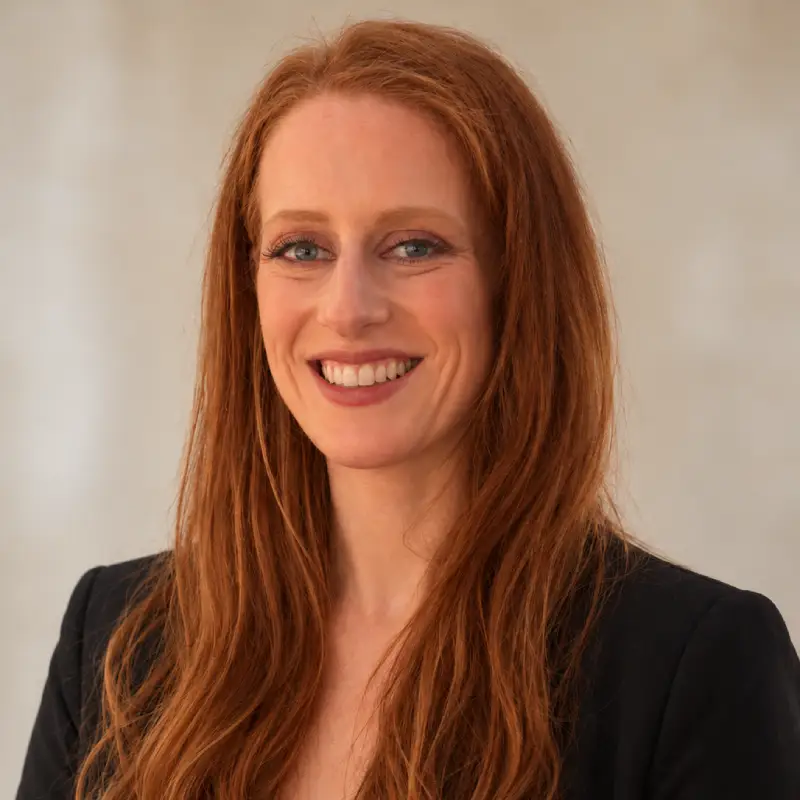
Sarah Seeman
About
Hi, I’m Dr. Sarah Seeman, a licensed clinical psychologist based in Los Angeles, California. I have over five years of experience working with autistic and neurodivergent individuals, including providing psychological assessment and long-term psychotherapy.
What draws me most to this work is the opportunity to understand each person beyond a diagnosis. I’ve worked with individuals who have spent much of their lives feeling different, misunderstood, or unsure why certain experiences seem harder for them than for others. I believe that having a better understanding of yourself can be incredibly meaningful, and I’m passionate about helping people find that clarity.
My approach is rooted in curiosity, warmth, and respect for each person’s unique way of experiencing the world. Above all, I believe everyone deserves to feel deeply understood.
Over the past five years of working with autistic and neurodivergent individuals, I’ve seen how often autism can go unrecognized or be misunderstood, particularly in adults. Many people spend years feeling different, struggling to understand their experiences, or receiving diagnoses that don’t fully explain what they’ve been going through.
This is what draws me to autism assessment. I believe an accurate diagnosis can be incredibly meaningful. It can help someone make sense of experiences they’ve struggled to understand, recognize patterns throughout their life, and begin to see themselves in a different light.
I’m particularly interested in looking beyond the surface of someone’s presentation to understand their developmental history, emotional experiences, and unique way of relating to the world. For me, assessment isn’t simply about determining whether someone meets diagnostic criteria. It’s about helping them leave with a deeper understanding of themselves.
I believe that understanding someone begins with recognizing that there is much more to a person than a diagnosis. Every autistic individual has their own strengths, challenges, emotional experiences, and way of relating to the world.
During assessments, I approach each person with curiosity, warmth, and an appreciation for their individuality. I want to understand not only the difficulties that brought them to seek an evaluation, but also their strengths, the ways they’ve learned to navigate the world, and the experiences that have shaped their sense of self.
My goal is to create an environment where people feel comfortable being themselves, without feeling pressured to present or communicate in a particular way. I believe a meaningful assessment should leave someone feeling not only more informed about their diagnosis, but also more understood as a person.


