.webp)

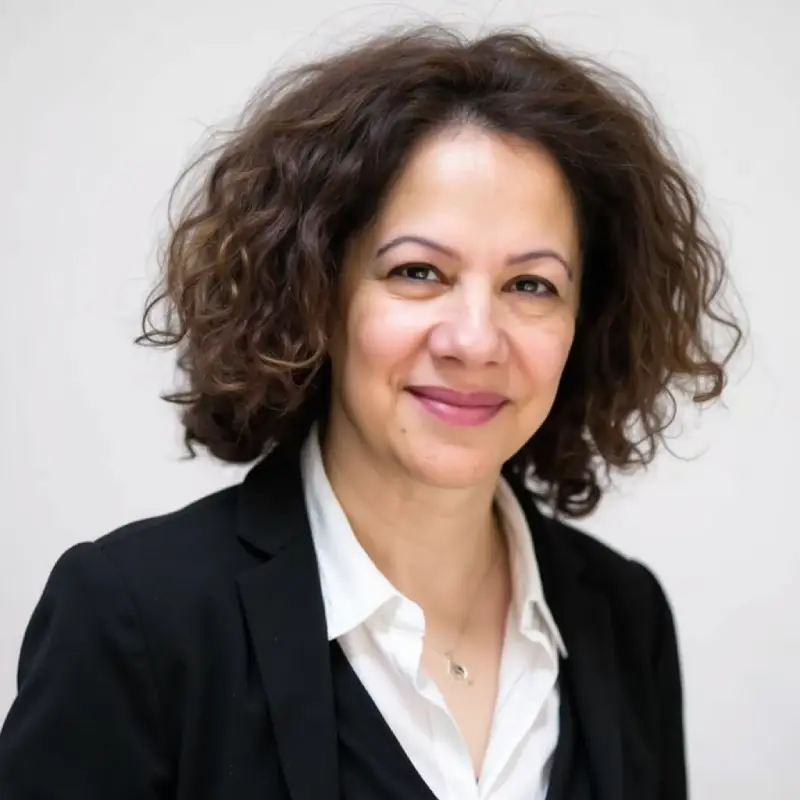
Rabia Subhani
About
Hi everyone! I’m a clinical neuropsychologist based in Georgia with a license in New Mexico and the ability to see clients in all 43 PSYPACT states. I've been in neurodiversity assessment for almost 30 years now! This work is deeply personal to me, as not only am I a late-diagnosed ADHDer with sensory processing differences, but I am also the parent of a neurodivergent child (whom I had AFTER I did the training :-).I practiced from a neurodiversity-affirming perspective before I knew it was a real movement - viewing autism as a natural and meaningful variation of the human nervous system. Back in the 90s, I used to tell the children I diagnosed that while everyone else's brain was taking a straight highway in their brain, they were taking the scenic route! My approach to evaluation is thoughtful, strengths-based, and compassionate, with a strong focus on helping you feel seen, understood, and respected. I’m especially attentive to individuals who are often overlooked or misunderstood, including women, TQGD folx, and BIPOC, and/or otherwise culturally diverse clients.Above all, my goal is to provide autism evaluations that feel clear, affirming, and genuinely supportive, never pathologizing, and always human.
My approach is rooted in the belief that every person already carries inherent worth, wisdom, and strengths, especially those whose ways of thinking and being have been historically misunderstood or marginalized. I begin my work by honoring your story, cultural context, and lived experience, and by listening for strengths that may have gone unnamed or unrecognized.I practice from a neurodiversity-affirming, compassion-centered framework that prioritizes dignity, clarity, and self-trust over deficit-based narratives. Rather than focusing on what needs to be “corrected,” I aim to help you understand your nervous system, name your capacities, and make sense of challenges in ways that reduce shame and support sustainable well-being.As a neurodivergent woman of color and the parent of a neurodivergent child, I bring a deep awareness of how culture, identity, and systemic bias shape people’s experiences of assessment and care. This informs my commitment to offering evaluations that are not only clinically sound, but also affirming, culturally responsive, and aligned with your full humanity.
I chose this path because I’ve seen firsthand how often autistic and neurodivergent people are misunderstood, overlooked, or harmed by systems that were never designed with them in mind. This neurotypical world is a challenging one to navigate if you don't fit the norm. As a neurodivergent person and a parent of a neurodivergent child, I know how powerful it can be to finally be seen clearly and how painful it is when that doesn’t happen.I became deeply committed to autism evaluations as a way to offer clarity, validation, and relief. A thoughtful, affirming evaluation can help you make sense of yourself, access appropriate support, and move through the world with more self-understanding rather than shame. My “why” is simple: to make this process feel humane, respectful, and affirming, and to ensure that you leave with a deeper sense of dignity, validation, and self-trust.


