.webp)

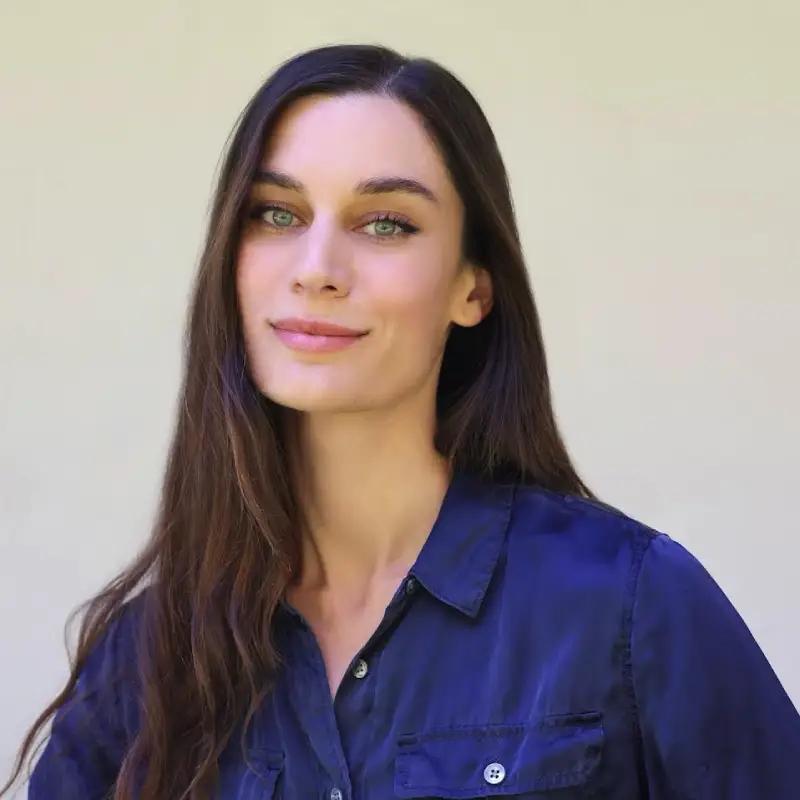
Nicole Renee Grinsell
About
Hello and welcome! I'm Dr. Nicole Grinsell, a licensed clinical psychologist based in the San Francisco Bay Area and licensed in California. I'm passionate about psychological assessment because, at its best, it can offer more than a diagnosis — it can give people a clearer and more compassionate framework for understanding themselves.My clinical approach is thoughtful, collaborative, and grounded in curiosity about the whole person. I'm particularly interested in the ways people learn to adapt, compensate, or mask over time, and how these patterns can sometimes make neurodivergence more difficult to recognize. I bring careful attention to each person's developmental history, lived experience, strengths, and challenges rather than relying on a one-size-fits-all picture of what autism or neurodivergence "should" look like.I believe a meaningful assessment helps you feel not only accurately understood, but empowered with greater clarity about how your mind works and language for experiences that may have been difficult to make sense of before. My goal is to create an evaluation experience that feels warm, respectful, and clinically rigorous — and ultimately helps you understand yourself with greater confidence and self-trust.
What draws me to assessment is the opportunity to understand the person behind the presentation. Throughout my training and clinical work, I’ve been deeply interested in identity—how we come to understand ourselves, how we adapt to the environments around us, and what can happen when our internal experience isn’t fully recognized by others. That perspective feels especially meaningful in my work with autistic adults, many of whom have spent years trying to make sense of experiences that weren’t always visible from the outside.I approach assessment with curiosity, warmth, and respect for complexity. Rather than beginning with a predetermined idea of what autism should look like, I want to understand how you experience the world, the ways you’ve learned to navigate it, what requires more effort than others may realize, and the strengths you’ve developed along the way. My goal is for assessment to offer more than a diagnostic answer. I hope it gives you a clearer language for understanding yourself and allows you to leave the process feeling genuinely seen, more confident in your own experience, and more connected to the way your mind works.
I approach assessment with the belief that there is always more to a person than what’s difficult or visible from the outside. I’m interested not only in where you struggle, but in the strengths, adaptations, and ways of thinking you’ve developed along the way—many of which you may not yet recognize as strengths at all.As a woman and a psychologist whose work has long centered on identity and women’s development, I’m especially attuned to how gender, culture, and social expectations shape the way people learn to present and understand themselves. Historically, our understanding of autism has not always captured the full range of how neurodivergence can present, which means some people—particularly women and those who have learned to adapt or mask—may go years without language for their own experience. I bring particular care and curiosity to these presentations, where someone’s internal experience can be quite different from how capable or put-together they appear on the outside.I don’t see assessment as a process of reducing you to a diagnosis. I see it as an opportunity to understand yourself more fully: what comes naturally, what takes more effort, what you need to thrive, and what is uniquely yours. My hope is that you leave with greater self-understanding, self-trust, and a deeper appreciation for the strengths you already carry.


