.webp)

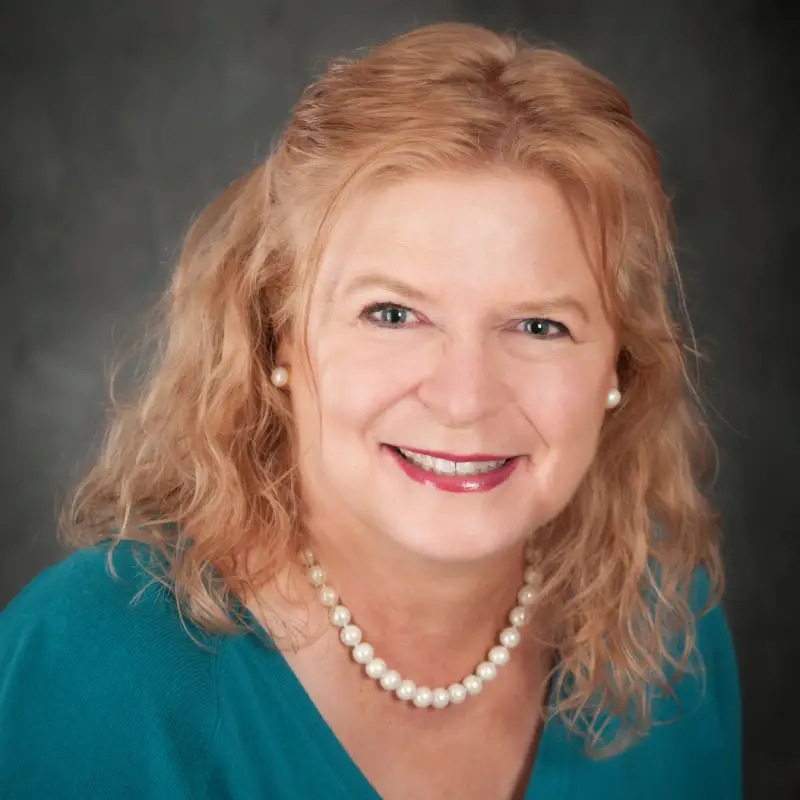
Mary Ellen Sternitzke
About
Hello! I’m Mary Ellen Sternitzke, a psychologist living in beautiful Wyoming. I am licensed in Wyoming and Colorado, and I also provide telehealth evaluations to adults in PSYPACT states. One of the things I value most about being a psychologist is having the opportunity to really listen to people and help them understand themselves better. An evaluation may include tests, questionnaires, and information from different sources, but I believe your perspective is an essential part of making sense of the results. You have spent a lifetime observing yourself from the inside, and that knowledge matters.
My goal is to create a thoughtful, comfortable conversation where you feel heard, respected, and able to describe your experiences in your own words—even when finding those words is difficult.
I strongly believe that neurodiversity strengthens our families, communities, and society, and that its value is often underestimated. My own thinking has been enriched by neurodivergent friends and family members, including some of the smartest and most interesting people I know. Their perspectives have taught me that differences in how people think, communicate, notice patterns, solve problems, or experience the world can be genuine strengths.
I approach psychological evaluation as an opportunity to build self-knowledge, not simply to arrive at a diagnosis. I want you to leave the process understanding yourself better so that you can make informed decisions about your life based on who you are, what you value, and what works for you—not only on other people’s expectations of you.
An evaluation can help us understand both what has been difficult for you and what you do particularly well. Recognizing those strengths gives us another way to think about challenges: not only “What is difficult for me?” but also “What do I already have that can help me navigate this?”
Kindness is central to the way I work. For me, that means listening carefully, being curious rather than judgmental, and giving you room to express yourself however the words come out. You do not need to arrive knowing exactly how to explain your experiences. Part of our work can be figuring out together how to put words around things you may have understood about yourself for a long time but found difficult to articulate.
I use what I learn from our conversations and your evaluation results to help you identify patterns, values, and strengths that you can use in everyday life. Understanding how you think and what you do well can also help you decide when to rely on your strengths, when you may need support, and how to communicate your needs more confidently in relationships, work, and social situations.
Most importantly, I want the evaluation to give you insights into yourself. A diagnosis may be one outcome of an evaluation, but greater self-understanding is something you can continue to use long after the evaluation is finished.


