.webp)

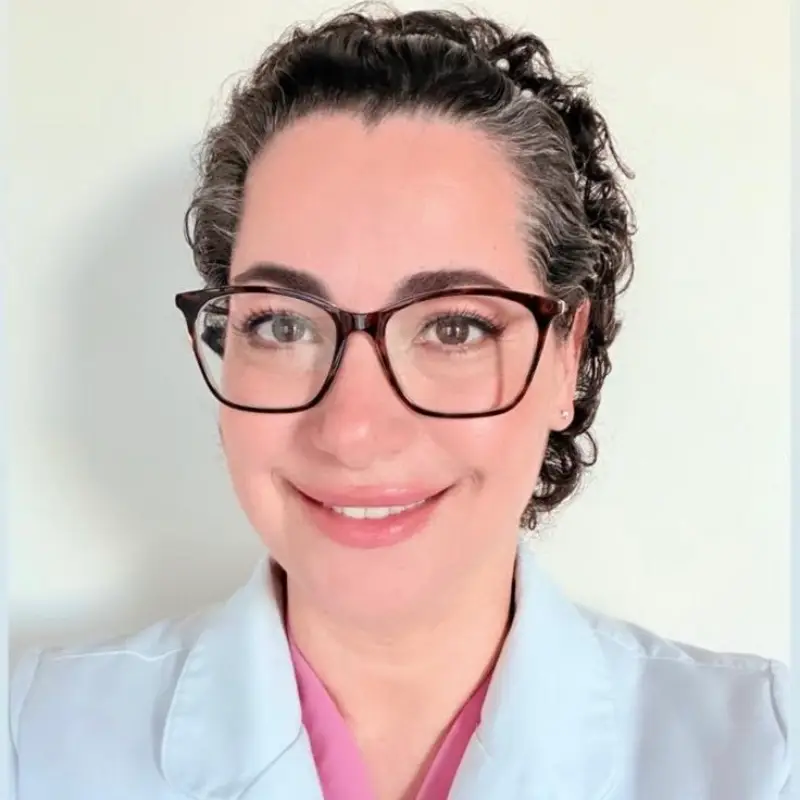
Madiley Broz
About
Hello and Welcome! I’m so glad you are here. I’m a licensed clinical psychologist, specializing in clinical neuropsychology, fluent in English and Spanish. I have been practicing in South Florida for over ten years evaluating and treating adults with an array of multiple concerns. I’m interested in helping you better understand yourself. I am certain you have thoughtful questions about your personality and identity, relationships, work, or your mental health, and I consider it a privilege to walk alongside you as you seek clarity and understanding. My approach to assessment is careful, collaborative, and respectful. I understand that autism can look different in adults, especially for those of you who have spent years adapting, masking, or compensating in order to cope. I am attentive to the full picture, including strengths, challenges, and the ways anxiety, ADHD, trauma, or mood concerns may overlap with autistic traits.Throughout the evaluation process, I strive to create a space that feels safe, affirming, and free from judgment. Questions and uncertainty are welcome here. My goal is not simply to arrive at a diagnosis, but to help you better understand yourself, your nervous system, and your unique way of experiencing the world. When appropriate, I provide clear feedback, thoughtful recommendations, and guidance around next steps, supports, or accommodations.Pursuing an autism evaluation as an adult can be an emotional and meaningful experience. I approach this work with warmth, curiosity, and respect, and I am committed to offering care that is both clinically sound and deeply human.
I am motivated to specialize in working with autistic adults because I have seen how often people reach adulthood without accurate recognition or understanding of the way their brains work. Many come after years of masking, misdiagnosis, or self-doubt, and I find it deeply meaningful to help them make sense of their experiences with clarity and compassion. This work allows me to bring together careful science, lived experience, and a neurodiversity-informed perspective to offer assessments that honor both strengths and challenges. Supporting adults in understanding themselves and identifying supports that truly fit is work I find ethically important and personally sustaining.
I bring a strengths-based, affirming approach to my work by getting to know the whole person, not just their test results. While accurate assessment is important, I pay close attention to how each client thinks, adapts, and navigates the world, and I intentionally highlight strengths alongside challenges. I’m mindful of the impact of masking, stress, and past misunderstandings, and I aim to use language that feels respectful, clear, and empowering. My goal is for clients to leave the process with a better understanding of how their brain works, less self-blame, and practical recommendations that actually fit their lives. For me, assessment is not just about diagnosis—it’s about helping people make sense of themselves and move forward with greater confidence and self-acceptance


