.webp)

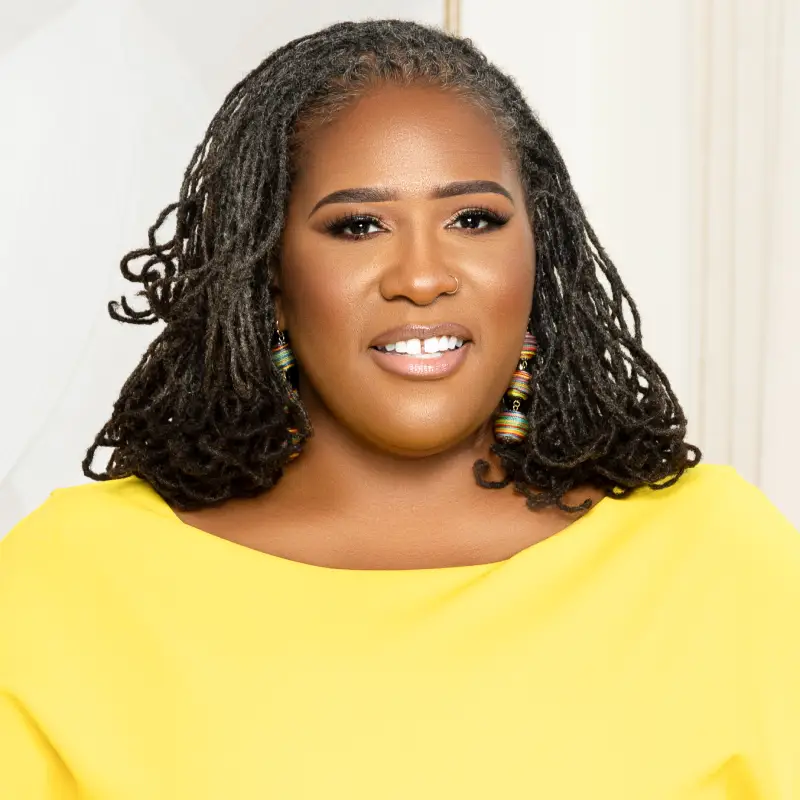
Madelyn Coleman
About
I'm an award-winning licensed psychologist with 20+ years of experience in practice. My therapy background spans major depression, anxiety, trauma, grief, identity development, life transitions, and workplace stress. My assessment background includes psychological and forensic assessments. Most importantly, as someone who is neurodivergent myself, I bring genuine understanding to clients navigating a world that wasn't always designed with them in mind. I pride myself on creating a collaborative, affirming space where clients feel seen and valued. My style is warm, direct, and grounded — I'm a former tenured professor and researcher, so I bring rigor to the work, but I leave the jargon at the door. I believe our identity statuses whether that be race/ethnicity, sexual orientation, or nation of origin are central to who we are and how we view the world. I celebrate diversity in all forms while acknowledging the influence of our worldviews on our unique experiences. I'm based in Houston, TX, my practice is fully virtual.
My connection to neurodivergent clients is both personal and professional. Receiving my own ADHD diagnosis later in life reframed decades of experiences I had long internalized as personal failures and that shift deepened my attunement to clients navigating similar revelations. Over time, I began seeing a meaningful increase in Black women coming to me newly diagnosed or self-identifying as neurodivergent, often in midlife, often exhausted from years of masking and being overlooked. That experience is one I understand intimately. I believe neurodivergence isn't a deficit to be corrected but a different way of moving through a world that wasn't built with you in mind. Add in the layers of race and gender, affirming, knowledgeable support becomes even more critical. This work is personal. And it feels necessary. I have seen the positive and healing shift that can occur for individuals when an accurate diagnosis is put in place and I want to do my part to facilitate for others.
As a Black neurodivergent woman myself, I bring lived understanding to this work that no textbook can teach. My approach begins with the recognition that neurodivergence is not brokenness. Many of my clients have spent years in systems designed around neurotypical standards, absorbing unnamed harm and misattributing their struggles to personal shortcomings. An accurate diagnosis is often the first step toward repairing that narrative. From there, my work is rooted in identifying and building upon each client's existing strengths rather than cataloguing their deficits. As a Counseling Psychologist, strengths-based practice is not an add-on for me; it is foundational. I meet clients where they are, honor what has already carried them this far, and create an affirming space where they can begin to see themselves more clearly and fully. My intersectional identity informs my cultural humility and my deep respect for how race, gender, and neurodivergence interact to shape a client's experience of themselves and the world around them.


