.webp)

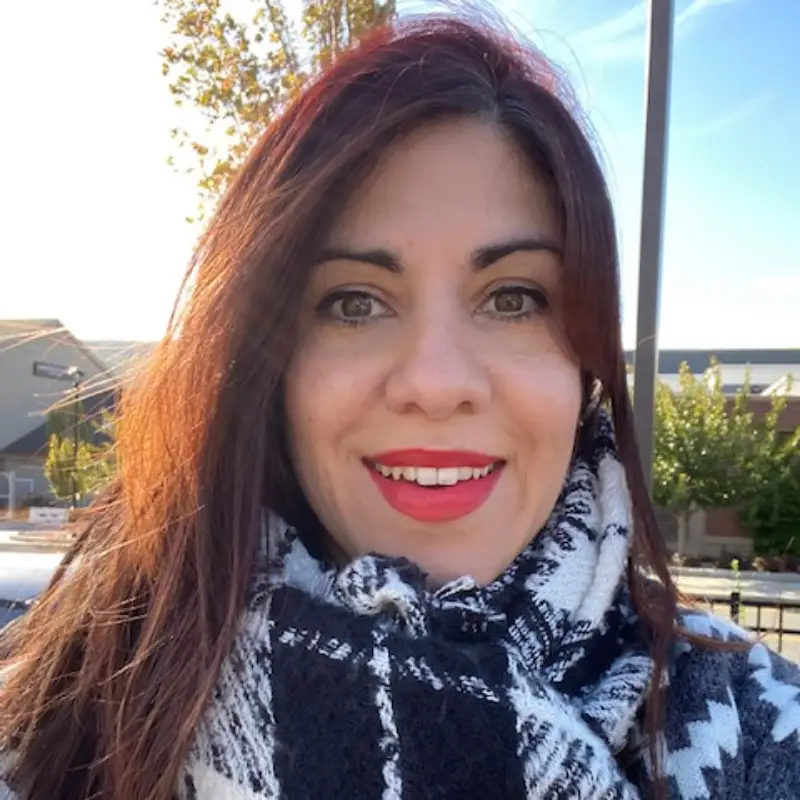
Lydia Vazquez
About
Hello! I’m Lydia Vazquez, LCSW-R. I’m a native New Yorker, complete with the accent, and I’ve been a social worker for 20 years.
One thing I hope never changes about me as a clinician is my curiosity. Even after two decades in the field, I never want to become the therapist who thinks, “I’ve seen this before.” Because I haven’t seen you before.
I love working with neurodivergent adults who may be navigating autism, ADHD, executive functioning, masking, burnout, emotional regulation, communication, relationships, boundaries, or simply trying to figure out why certain parts of life seem to require so much more energy than everyone says they should.
My style is warm, collaborative, and practical, with plenty of room for humor, reflection, and deeper exploration. I’m interested in what is underneath the behavior, not just the behavior itself.
When I’m not wearing my therapist hat, I’m usually spending time with my favorite kid, who happens to be AuDHD, mastering the art of making a great cup of coffee, and thinking about what I might cook next. Recipe recommendations are enthusiastically accepted.
Both professionally and personally, advocacy has become an important part of who I am. I believe people deserve environments that understand them, not just expectations they are constantly asked to squeeze themselves into.
My “why” is both professional and personal. After 20 years as a social worker, I’ve learned that the best clinical work starts with curiosity, not assumptions. Loving and advocating for my favorite kid, who happens to be AuDHD, has deepened my appreciation for how differently brains can experience the same world. I’m drawn to working with neurodivergent clients because I love helping people understand their patterns, honor their strengths, and find strategies that actually fit their lives. I’m less interested in asking, “What’s wrong?” and much more interested in asking, “What makes sense here, and what do you need?”
I bring an affirming, strengths-based lens by getting curious about what is already working, not just what feels hard. I listen for the strengths, patterns, values, and adaptive strategies that may be easy to overlook, then build from there. My role is not to reshape someone into a more “acceptable” version of themselves, but to help them better understand how they function, identify what supports them, and create a life that feels more sustainable, authentic, and their own.


