.webp)

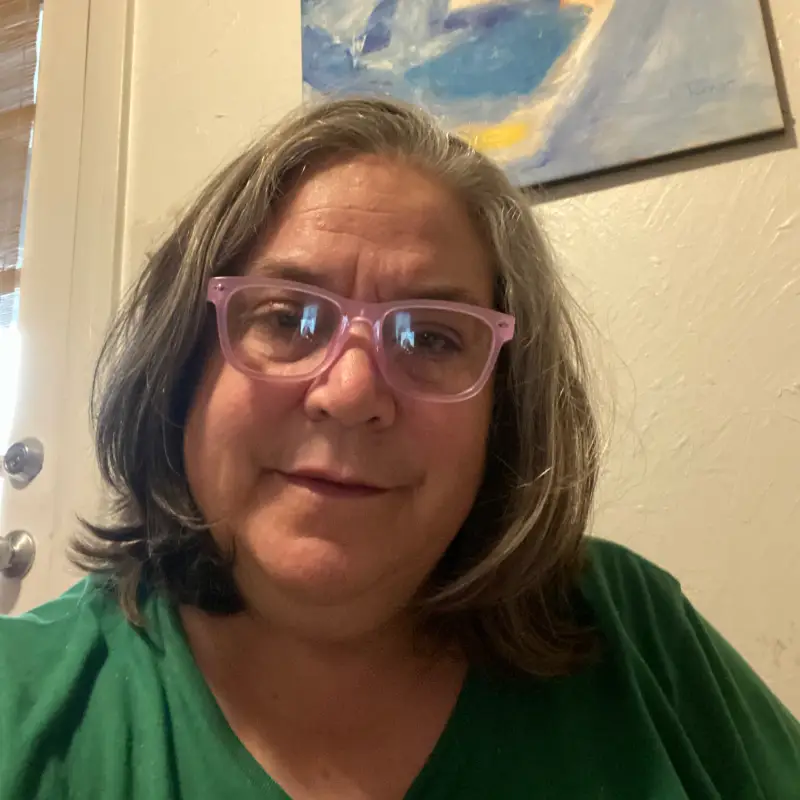
Lara Hastings
About
Hello! My name is Lara Hastings, and I am a clinical psychologist licensed in Texas and authorized to provide telepsychology services through PSYPACT. I am based in Dallas, Texas and have more than 20 years of experience conducting psychological evaluations with children, adolescents, and adults across a wide range of backgrounds, life experiences, and levels of functioning.
One of the things I have learned through years of doing evaluations is that everyone has a story. No matter how someone may be struggling, within that story there are answers and understanding to be found—as well as clues about ways forward. What I enjoy most about assessment is the opportunity to understand that story and the person behind the test scores.
I approach evaluations with warmth, curiosity, and a genuine interest in understanding how each person experiences and navigates the world. I want people to feel comfortable being themselves during an evaluation, including talking openly about things that may be complicated, uncomfortable, or difficult to explain. I also believe that being affirming and being honest go hand in hand. My goal is to offer impressions that are thoughtful, compassionate, candid, and, most importantly, genuinely useful.
One of the things I have always valued most about psychological assessment is the opportunity to help people find answers to questions they have about themselves. For adults exploring whether they may be autistic, those questions may have been present for years, sometimes without a framework for understanding experiences that have always felt significant but difficult to explain.
One of the things I have always valued most about psychological assessment is the opportunity to help people find answers to questions they have about themselves. For adults exploring whether they may be autistic, those questions may have been present for years, sometimes without a framework for understanding experiences that have always felt significant but difficult to explain.
I find it especially meaningful to help people understand themselves more fully and feel seen and known in ways that are accurate and affirming. When a diagnosis fits, it can provide more than a name for difficulties. It can help make sense of longstanding experiences, recognize strengths that may have been overlooked, and offer new ways of approaching challenges. Sometimes understanding the “why” behind something changes the way we understand the whole story.
I start from the premise that there is no single right way to be a person—which is fortunate, because human beings have shown remarkably little interest in becoming standardized.
I try to create an assessment environment in which people know they will not be judged and do not need to present a polished version of themselves. I am warm and curious, but also straightforward. I let people know that I will be honest about my impressions because I believe an evaluation is most valuable when it offers meaningful information rather than simply telling someone what they hope—or fear—they might hear.
A strengths-based approach also means looking beyond what is difficult. I want to understand what a person does well, what they have learned from navigating life in their particular brain and body, and how those strengths and that accumulated knowledge can help them manage areas that are harder. Sometimes a struggle remains a struggle and deserves support. Other times, with understanding and the right context, qualities that have caused difficulty can become genuine assets—or even, when we're lucky, something approaching a superpower.
Ultimately, I hope people leave an evaluation feeling that they understand themselves better, have useful ways to approach the things that are difficult, and have a fuller appreciation of the strengths they bring with them.


