.webp)

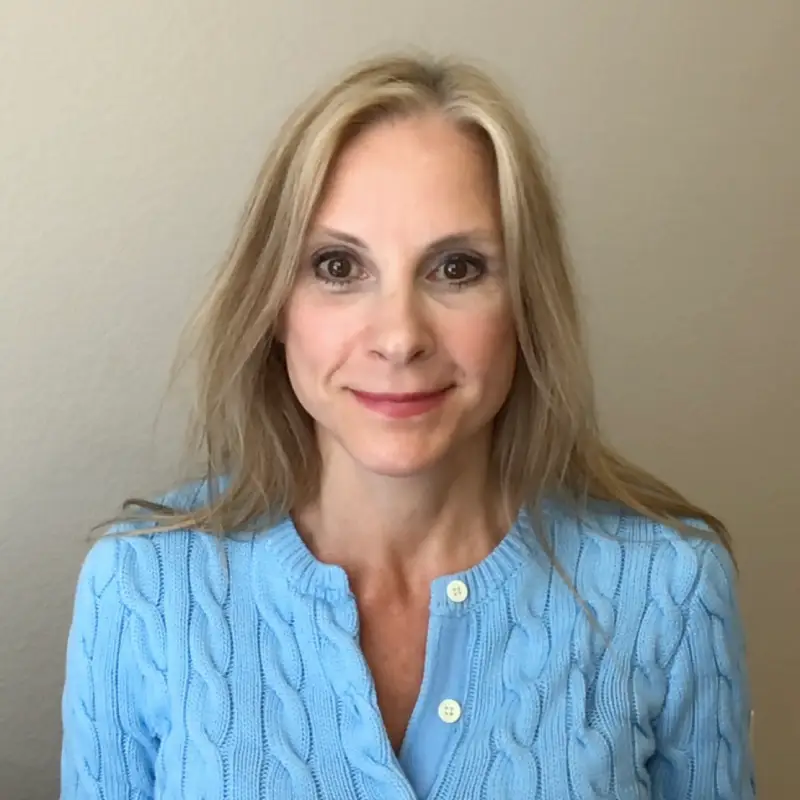
Kristen Kelsey
About
I'm Dr. Kristen Kelsey, a licensed clinical psychologist based in the Denver/Aurora area, licensed in Colorado and Iowa with a PSYPACT credential that allows me to work with clients across many participating states. I focus my work on adult autism assessment because I believe that finally having clear, accurate language for how your mind works — after years of wondering, adapting, or feeling out of step with the world around you — can be one of the most meaningful turning points in a person's life. Whether you're exploring an autism diagnosis for the first time as an adult or simply looking for a framework that finally fits your experience, I want our work together to feel like a place where you're understood, not evaluated.
I've seen how often neurodivergent adults go undiagnosed or misdiagnosed for years — not because anything is missing in them, but because their experience doesn't always match the narrow picture many clinicians are trained to recognize. Without accurate, thoughtful understanding, people can spend a lifetime feeling out of step with the world around them, wondering why things that seem to come easily to others feel so much harder — or why parts of themselves that feel completely natural get mistaken for something to fix. I wanted to be part of changing that story.
A good assessment experience starts with feeling safe and at ease. Being evaluated is inherently vulnerable — it asks you to let someone else look closely at how your mind works, and that can feel intimidating no matter who you are. I hold that with care. Throughout our time together, you can expect to be treated with warmth and respect, to have every question answered honestly, and to never feel reduced to a set of symptoms or a checklist. My hope is that you leave not just with clarity, but with a deeper, more compassionate understanding of yourself — and the feeling that you were truly seen and heard along the way.
My approach to assessment is rooted in the belief that autism and neurodivergence aren't deficits to be corrected — they're differences to be understood, with real strengths worth recognizing alongside the challenges. I want you to leave our work together not just with a diagnosis or a label, but with genuine insight into how your mind works, what it needs, and what it's capable of. An assessment can be affirming rather than pathologizing — a chance to finally make sense of your experience, on your own terms, without judgment. I approach every assessment with humility, curiosity, and deep respect for the fact that you are the expert on your own life; my role is to bring clinical care and rigor to help you understand yourself more fully.


