.webp)

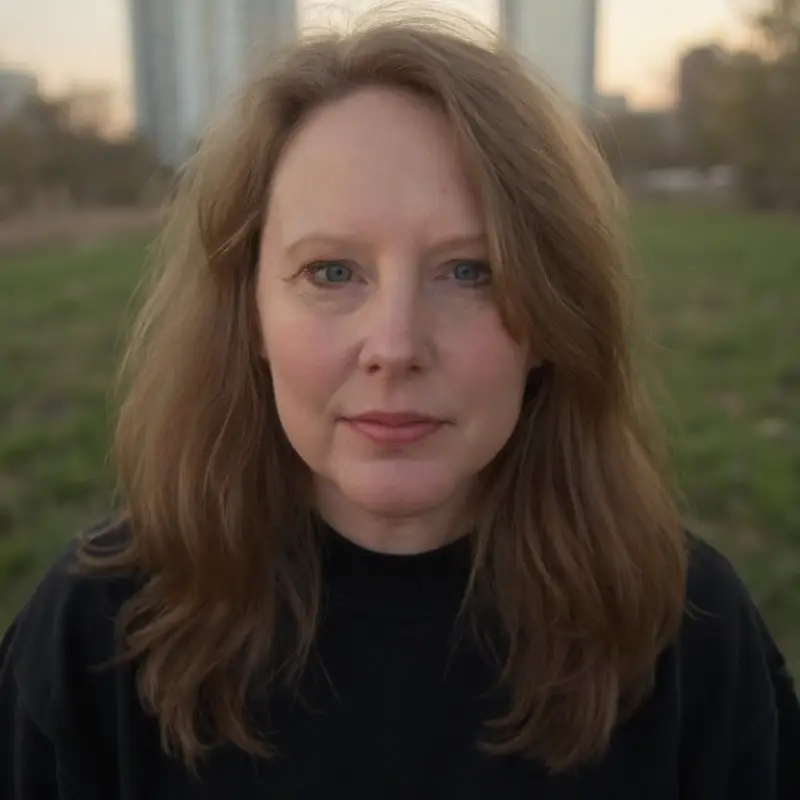
Karin Curtiss
About
Hello and welcome! I’m Karin Curtiss, a licensed psychologist in Texas with nearly 30 years of experience in psychological assessment, diagnostic evaluation, and psychotherapy. Throughout my career, I’ve had the opportunity to work with people from a wide range of backgrounds and life experiences, and one of the things I have always valued most about assessment is helping people make sense of experiences that may have been difficult to understand or put into words.
I believe assessment is about much more than arriving at a diagnosis. At its best, it can help connect the pieces of your history, experiences, strengths, and challenges in a way that brings greater clarity and self-understanding. I also know that being evaluated can sometimes feel unfamiliar or intimidating, so I approach the process with kindness, patience, and flexibility. My goal is to make our time together feel conversational and comfortable, with as little unnecessary stress as possible, so that you can feel free to be yourself. I want you to feel heard, respected, and understood throughout the process.
My interest in neurodivergence began earlier in my career through graduate training, research, and assessment experiences involving children with neurodivergence and their families. Over time, I became increasingly interested in the experiences of adults with autism and other forms of neurodivergence, particularly because many adults reach this point after spending years feeling that they experience or navigate the world differently without fully understanding why.
I value the opportunity to help people explore these questions thoughtfully, with curiosity and without assumptions, particularly within a population that has historically been underserved. A thorough assessment can provide more than diagnostic clarification. It can help bring together experiences and patterns that may have been present throughout your life and provide a framework for understanding them in a new way.
What I find most meaningful is helping someone leave the process with useful answers, greater clarity, and a more compassionate understanding of themselves—not simply a diagnostic label.
I believe a good assessment should help us understand the whole person rather than simply identify symptoms or areas of difficulty. Everyone brings a different combination of abilities, experiences, challenges, interests, and ways of thinking, and all of those pieces matter.
My approach is to come to each person with “open ears,” an open mind, and genuine curiosity about their experiences. I want to understand you within the context of your life rather than measure you against a single idea of how a person is supposed to think, communicate, or function. I listen carefully, leave plenty of room for questions, and want the assessment to feel like something we are doing together rather than a test you have to “pass.”
A strengths-based approach does not mean overlooking the things that have been difficult. I believe those challenges should be understood and acknowledged honestly, while also recognizing the abilities, adaptations, interests, and strengths that have helped you navigate your life. My goal is for you to leave the assessment feeling understood and with useful information that helps you recognize both what has been challenging and what is uniquely yours to build upon.


