.webp)

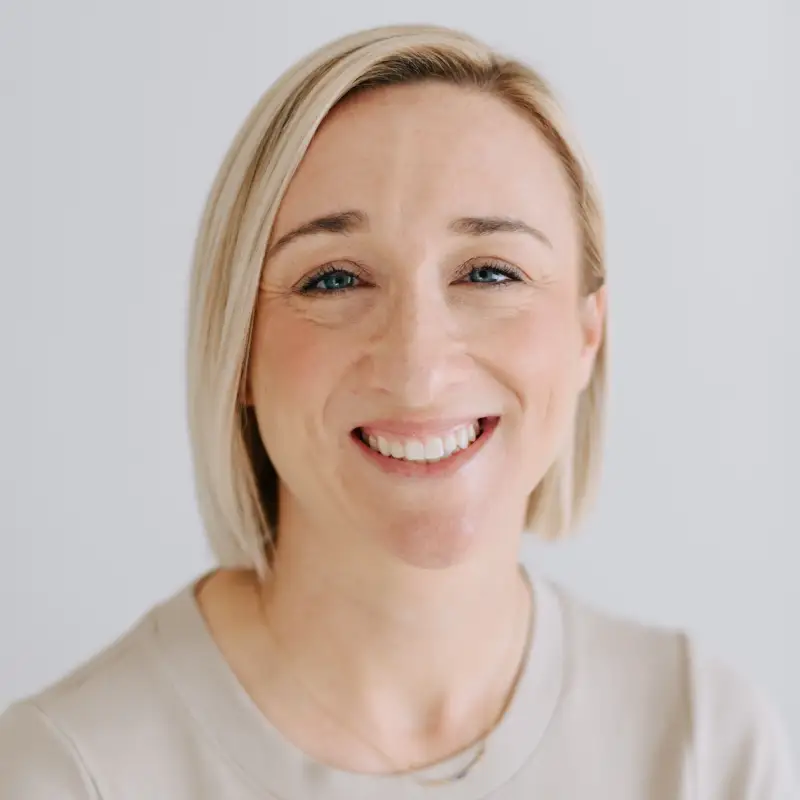
Eileen Parker
About
I’m Eileen Parker, a licensed psychologist in Oklahoma. Throughout my career, I have focused on helping individuals and families better understand how they think, learn, communicate, and experience the world around them. I especially value the opportunity that psychological assessment provides to bring together someone’s history, experiences, strengths, and challenges in a way that helps them better understand themselves.
My approach is warm, collaborative, and strengths-based. I want the evaluation process to feel comfortable and conversational, with plenty of space for you to ask questions and share your experiences. My goal is for you to feel heard and respected throughout the process and to leave with information that is both understandable and genuinely useful in your everyday life.
I was drawn to working with autistic and neurodivergent individuals because I have always appreciated the different ways people experience, understand, and interact with the world. This work is also personal to me, as my own children are both autistic. Being both a psychologist and a parent has deepened my appreciation for neurodiversity and reinforced the importance of recognizing each person as an individual rather than viewing them only through a diagnostic lens.
Through my work in autism assessment, I have seen how powerful it can be when someone finally has a framework for understanding experiences they may have struggled to explain for years. This is especially important to me when working with adults, as many people reach adulthood without having their differences recognized or understood. Some have spent years adapting, masking, or wondering why certain parts of life seem to require so much more effort.
I value being able to provide a space where those experiences can be explored without judgment or assumptions. My goal is not simply to answer the question of whether someone is autistic, but to help each person develop a clearer and more compassionate understanding of themselves.
I focus on understanding how each person experiences the world, what comes naturally to them, where they may be using significant effort to meet expectations, and what environments allow them to function at their best.
An important part of my approach is simply being available to listen. I want to hear your experiences, validate the concerns and questions that brought you to the evaluation, and spend the time necessary to really get to the heart of why you are seeking answers. I recognize that for many adults, the decision to pursue an autism evaluation comes after years of questioning, researching, adapting, or trying to understand themselves through different lenses. Your experiences and perspective are an important part of the evaluation process.
I also recognize that strengths and challenges are often closely connected. Characteristics that may create difficulty in one setting can be valuable in another, and understanding that context is an important part of the evaluation process. I want you to feel comfortable being yourself without feeling that you need to perform, mask, or present in a particular way. Ultimately, my goal is to provide an evaluation that helps you better recognize your strengths, understand your needs, and advocate for the supports that allow you to thrive.


