.webp)

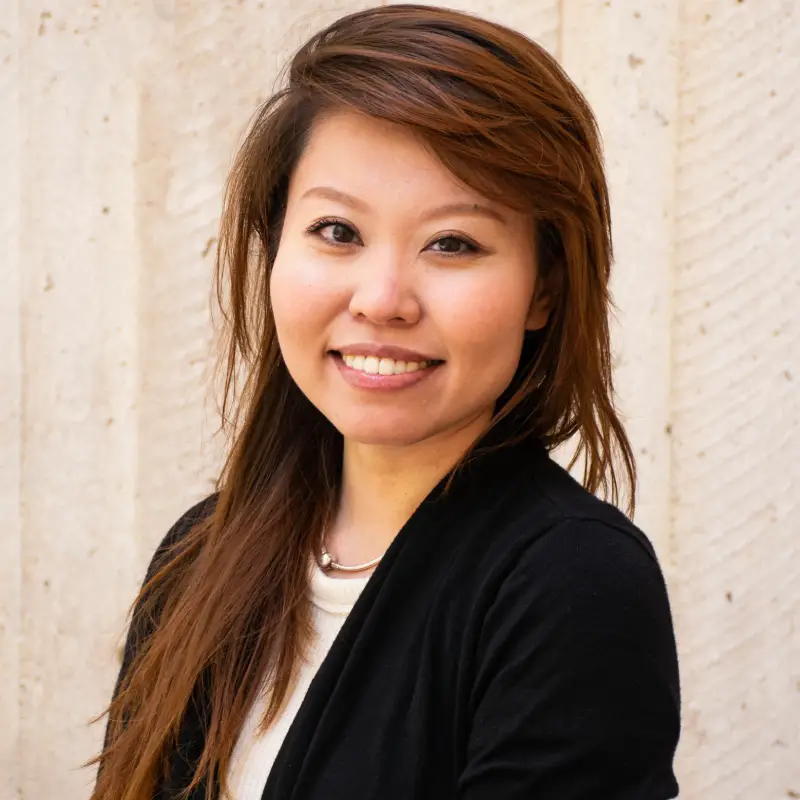
Dieu Truong
About
Hello and welcome! I’m so glad you’re here. My name is Dr. Dieu Truong, and I am a licensed psychologist in Texas. I specialize in autism and neurodevelopmental assessment, with a particular passion for supporting autistic adults, late-identified autistic people, and individuals from culturally and linguistically diverse communities.My work is shaped by both my professional training and my lived experience growing up across cultures, languages, and systems. I was born and raised in Saigon, Vietnam, as a Vietnamese-born Chinese person, or người Việt gốc Hoa (越南華人), and I immigrated with my family to Houston, Texas, during my early teenage years. That experience deeply shaped how I understand identity, communication, belonging, and difference.As a provider, I am passionate about creating an assessment experience where you feel respected, understood, and not judged. I believe that autism assessment is not just about identifying a diagnosis. It can also be a meaningful process of self-understanding, self-compassion, and making sense of your life story with greater clarity. My goal is to partner with you in a way that honors your strengths, your lived experience, and the many parts of who you are. I also hope to help you recognize and celebrate the resilience that has carried you to where you are today.
I chose to specialize in working with autistic and neurodivergent clients because this work is both professionally meaningful and personally close to my heart. I have always been drawn to understanding how people make sense of themselves, especially when their experiences have been misunderstood, overlooked, or explained through labels that did not fully honor who they are.As a neurodivergent person, I also know how powerful it can be to finally feel seen with accuracy and compassion. I understand what it can be like to appear high-achieving or “fine” on the outside while carrying a great deal of internal effort, self-monitoring, masking, and exhaustion. I also know how painful it can be when systems of service miss the full person, focus only on challenges, or fail to recognize the strengths and resilience that have helped someone survive and move forward.At the same time, I have experienced the deep impact of psychologists and providers who practiced in affirming, compassionate, and neurodiversity-affirming ways. Those experiences helped shape the kind of provider I strive to be. I want to offer an assessment space where you feel understood, respected, and not reduced to a diagnosis.For me, autism assessment is not simply about identifying whether someone meets criteria. It is about helping you make sense of your life story, understand who you once were, who you are today, and who you may become with greater clarity and self-compassion. My hope is that the assessment process can help you feel less alone, better equipped to advocate for your needs, and more connected to the most authentic version of yourself.
I bring an affirming, person-centered, and strengths-based approach to my work by starting with the belief that you are not broken. You are a whole person with a history, culture, identity, nervous system, relationships, strengths, needs, and ways of moving through the world that deserve to be understood with care. Rather than focusing only on challenges, I work with you to recognize, build upon, and celebrate the strengths, adaptations, and resilience that have helped you get to where you are today.My approach is also shaped by my own lived experience as a neurodivergent person who has learned to be high-achieving while also engaging in high levels of automatic masking. I understand that someone can appear successful, capable, or “fine” on the outside while carrying significant internal effort, exhaustion, self-monitoring, and disconnection on the inside. I also know what it can feel like to experience letdowns from systems of service that were not always affirming, responsive, or designed with neurodivergent people in mind. At the same time, I have also experienced the impact of truly affirming psychologists and providers who helped me feel seen with compassion and clarity. These experiences deeply inform the way I hope to show up for you.I also view the assessment process as potentially therapeutic in itself. When done with care, autism assessment can become a person-centered space where you are invited to slow down, reflect on your life story, and make sense of patterns that may have once felt confusing, painful, or isolating. I pay close attention to the full story of who you are, including how you communicate, connect, think, learn, sense, feel, problem-solve, advocate for yourself, mask, accommodate others, perform competence, and move through environments that were not designed with your needs in mind. My goal is not to reduce you to a list of symptoms, but to help you bring language to your strengths and support needs, honor the ways you have adapted and continued forward, and leave the process with greater clarity, self-compassion, and authenticity.As a Vietnamese-born Chinese person, or người Việt gốc Hoa (越南華人), who grew up across cultures, languages, and systems, I understand how important context is. I know that people can be misunderstood when their communication style, family background, language, culture, neurotype, or identity is not fully considered. Because of this, I strive to provide care that is person-centered, culturally responsive, neurodiversity-affirming, and grounded in respect for your lived experience. My hope is that you feel seen, valued, celebrated, and empowered throughout the assessment process.


