.webp)

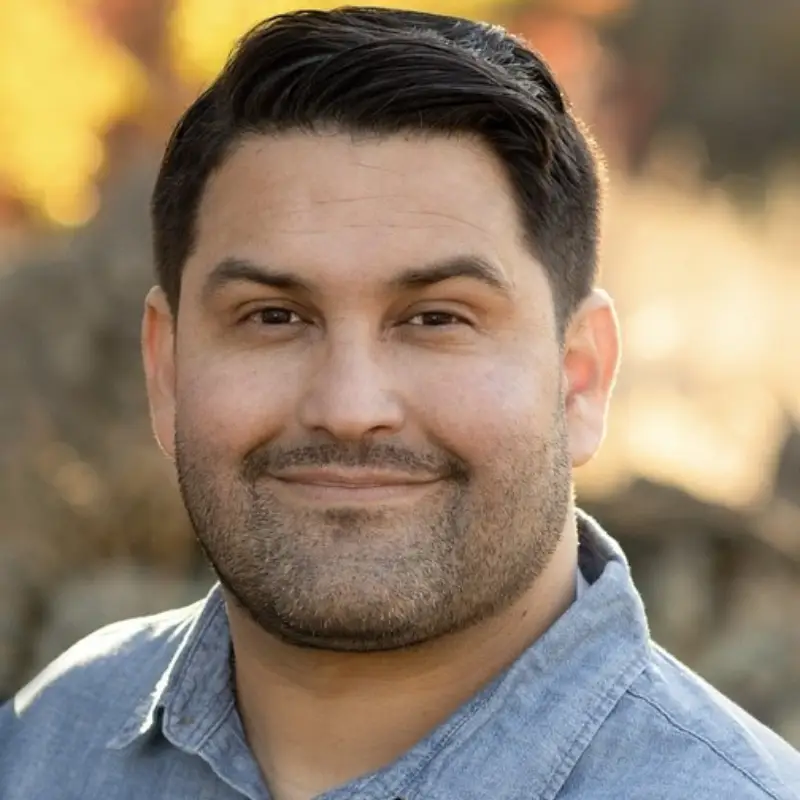
Christopher Norton
About
For much of my career, I thought I was simply helping neurodivergent people better understand themselves. I didn't realize that, along the way, they would ultimately help me recognize and better understand my own neurodivergence.
Hello, and welcome. I'm Christopher Norton (he/him), and I'm so glad you're here.
I am a Licensed Professional Clinical Counselor (LPCC) in California and a Licensed Mental Health Counselor (LMHC) in Florida. I provide telehealth therapy for autistic and neurodivergent adults, and I believe therapy should be a place where you feel genuinely understood, respected, and accepted—not because you're trying to become someone different, but because you're discovering more of who you already are.
Much of my career has been devoted to understanding the intersection of autism, ADHD, trauma, Functional Neurological Disorder (FND), chronic illness, chronic pain, and the many ways these experiences influence one another. Along the way, I have worked extensively with autistic individuals and people with ADHD, Functional Neurological Disorder (FND), Pathological Demand Avoidance (PDA), trauma, chronic pain, and co-occurring mental health conditions. As I immersed myself in this work, I found myself increasingly relating to the experiences my clients described. Over time, I realized that many of the patterns I was helping others understand also described my own life. That journey ultimately led me to recognize that I am autistic.
Today, I often describe myself as "three times neurodivergent" because I have ADHD, am autistic, and live with Functional Neurological Disorder (FND). I am also the parent of two incredible AuDHD children. My professional work, lived experience, and role as a parent have each deepened my appreciation for the diversity of neurodivergent experiences. While lived experience never replaces professional training, I believe it enriches my ability to understand clients in ways that extend beyond textbooks and treatment manuals.
Whether you're exploring a new diagnosis, processing trauma, recovering from autistic burnout, navigating chronic illness or chronic pain, strengthening relationships, improving executive functioning, or simply trying to better understand yourself, I strive to create a therapeutic relationship where you can show up authentically, feel genuinely understood, and discover that you don't have to navigate your journey alone.
When I began my career, I didn't set out to specialize in autism specifically. What drew me was a deep curiosity about people and a desire to understand why individuals experience the world so differently from one another. That curiosity led me to work extensively with trauma, ADHD, autism, Functional Neurological Disorder (FND), chronic pain, chronic illness, executive functioning challenges, and Pathological Demand Avoidance (PDA). The more I learned, the more I realized these experiences often intersect in meaningful and important ways.
Over the years, I had the privilege of supporting autistic children, adolescents, adults, and their families through therapy, diagnostic evaluations, executive functioning coaching, psychoeducation, andtrauma treatment. As I immersed myself in this work, I developed tremendous respect for the resilience, creativity, honesty, and unique perspectives of the autistic community.
At the same time, I found myself relating to many of the experiences my clients shared. Listening to their stories prompted me to reflect on my own life in new ways, and that journey ultimately led me to recognize that I am autistic as well. Looking back, it brought clarity to many lifelong experiences while strengthening my commitment to providing neurodiversity-affirming care.
My perspective is also shaped by my own lived experience as someone who is three times neurodivergent—living with ADHD, autism, and Functional Neurological Disorder (FND)—and by the privilege of raising two wonderful AuDHD children. Together, these personal and professional experiences have reinforced my belief that neurodivergence is not something to be fixed but something to be understood.
I became passionate about this specialty because I know how life-changing it can be when someone finally feels understood. My hope is to offer that same experience to every client I have the privilege of working with.
One of my core beliefs is that therapy should never focus on changing who you are. Instead, I believe therapy should help you better understand how your mind works, recognize the strengths you already possess, and develop strategies that allow you to live in ways that align with your values rather than with other people's expectations.
My approach is collaborative, affirming, and individualized. I integrate Cognitive Behavioral Therapy (CBT), Acceptance and Commitment Therapy (ACT), Dialectical Behavior Therapy (DBT), and clinical hypnosis, always adapting therapy to fit the individual—not expecting the individual to fit the therapy. My background in trauma treatment allows me to thoughtfully explore how trauma, masking, executive functioning, sensory differences, chronic illness, chronic pain, anxiety, and neurodivergence may interact, while helping clients build practical skills that support meaningful and lasting change.
Above all, I strive to create a relationship built on authenticity, curiosity, and trust. I want clients to feel that they can bring every part of themselves into therapy without fear of judgment or pressure to mask. Together, we'll identify your strengths, build on what's already working, navigate challenges with compassion, and create tools that support the life you want to live.
My hope is that, over time, therapy helps you replace self-criticism with self-understanding, develop greater confidence in advocating for your needs, and recognize that your neurodivergence is not something standing in the way of your life—it is part of the unique perspective and strengths you bring to it.


