.webp)

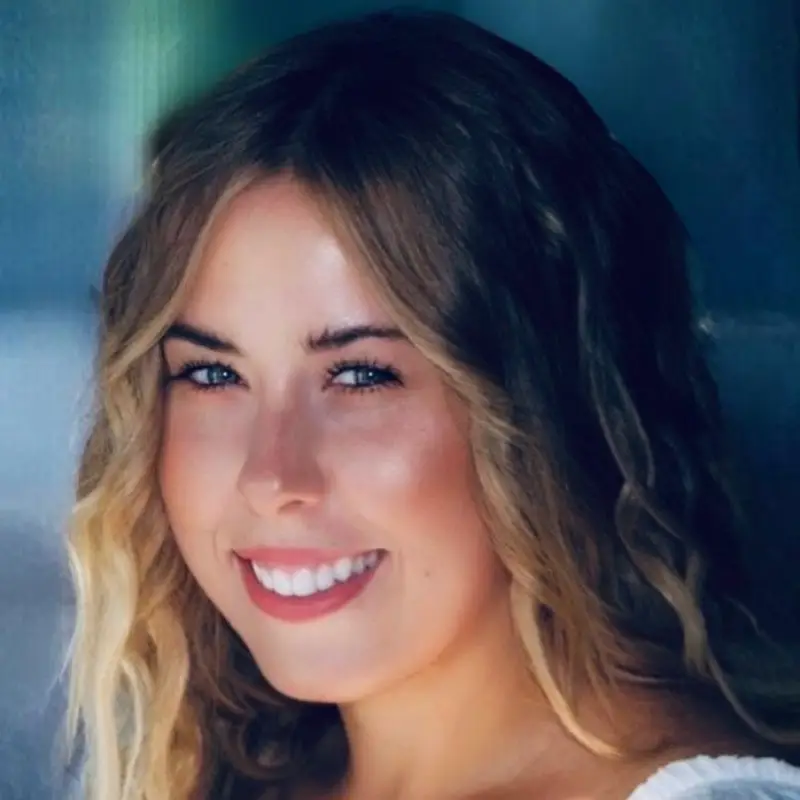
Christie Pellow
About
I’m Dr. Christie Pellow, a licensed clinical psychologist, and I specialize in comprehensive evaluations for Autism Spectrum Disorder in adults. If you’ve been wondering whether autism might be part of your experience, I’m here to help you gain clarity, insight, and a deeper understanding of yourself in a space that feels respectful and supportive.My training includes a doctorate in Clinical Psychology from The Chicago School of Professional Psychology, along with a master’s degree in Applied Quantitative Research from the University of West Florida. During my master’s training, my thesis focused on helping children with autism develop communication skills through creative and alternative methods—an experience that continues to shape how I think about neurodiversity, strengths, and self-expression across the lifespan.I completed my doctoral internship at the West Texas VA Medical Center and went on to complete a two-year postdoctoral fellowship in clinical neuropsychology in private practice, where I received advanced training in comprehensive psychological and neuropsychological assessment across the lifespan.In our work together, my focus is on developing a full and thoughtful understanding of your experiences—your strengths, challenges, history, and goals—so the results feel meaningful and accurate, not just clinical. Many of the adults I work with have spent years feeling different, misunderstood, or unsure of why certain things have felt harder for them than for others. Being part of a process that helps you make sense of those experiences in a way that feels validating and empowering is at the center of my work.Whether you are seeking answers, self-understanding, or clarity for next steps, I aim to provide an evaluation process that is respectful, collaborative, and grounded in your individual experience—so you leave with insights that genuinely help you move forward.
I chose to specialize in working with autistic and neurodivergent adults because I deeply value a neurodiversity-affirming perspective—one that recognizes differences as meaningful variations rather than deficits. Over time, I’ve seen how often people reach adulthood without clear answers, sometimes questioning themselves or feeling out of place. Being able to offer a process that helps you make sense of your experiences, while honoring your strengths and individuality, is what drives my work. I aim to provide an evaluation experience that feels respectful, collaborative, and grounded in a genuine understanding of who you are.
I approach every evaluation through a neurodiversity-affirming lens, which means I focus on recognizing and understanding differences rather than pathologizing them. I’m intentional about identifying and highlighting your strengths alongside any areas of difficulty, so that the outcome reflects a balanced and respectful understanding of who you are. I also prioritize using language and feedback that feel validating and aligned with your lived experience. This strengths-based approach extends to how I share results, where I provide clear, personalized feedback that emphasizes your abilities, patterns, and ways of thinking, helping you better understand what’s working well and how to build on those strengths. My goal is for you to leave the process feeling informed, affirmed, and more confident in how you understand yourself.


