.webp)

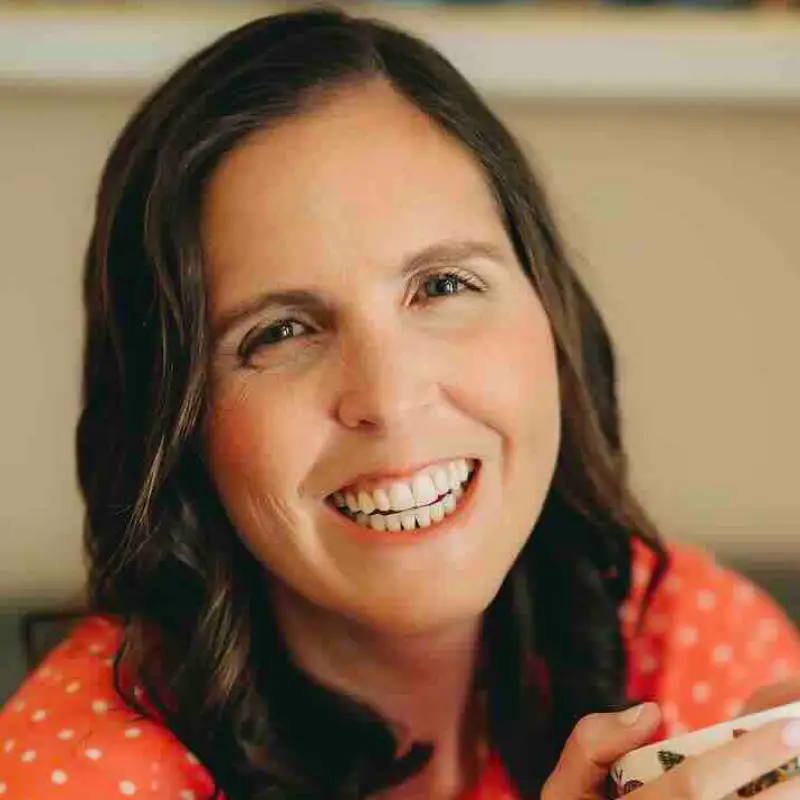
Ashley Smith
About
Hi, I'm Ashley! For as long as I can remember, I've been curious about how and why people experience the world the way they do. Why does one task feel effortless for someone while another drains their whole day? What makes someone light up, and what gets in the way? Neuropsychology gave me a way to follow that curiosity all the way to how each person's brain works, and I still find it fascinating with every person I meet.I'm a licensed psychologist, and through PSYPACT I can see clients by telehealth in 40+ states. I've spent my career doing in-depth evaluations that look at the whole picture, sorting out whether autism, ADHD, anxiety, a learning difference, or something else are part of a person's experience. Your story matters to me as much as any test score, and it's important to me that people leave feeling understood for who they are. I live in Austin, Texas, and when I'm not working I'm usually baking or outside hiking with my dogs.
I started my career doing evaluations for kids and teens. Over and over, I watched parents hear their child's results and realize the description fit them too, sometimes after decades of wondering. Those moments stayed with me, and they're a big part of why I now work with adults.A lot of autistic and neurodivergent adults grew up without anyone appreciating how their brains worked. Their experiences may have been written off as shyness or being a little quirky, or they may have gotten so good at masking that no one could see how much effort everyday life took. In my evaluations with adults, I've seen how much that adds up over time. Years of feeling misunderstood, being pressured to fit someone else's idea of "normal," and feeling like they never measured up can snowball into anxiety and depression, especially in a world that isn't designed around neurodivergent strengths and needs.Understanding the how and why behind a lifetime of experiences can bring real hope, along with a more affirming story of who they are.
I believe a good evaluation should help you see yourself more clearly, including both what you do well and where support could help. I bring a thoughtful, evidence-based approach, and I pair it with genuine interest in the person behind the scores. The numbers matter, but so does the context around them: your interests, the ways you've adapted, and what helps you feel most like yourself.I've also come to appreciate how real strengths, such as deep focus, attention to detail, honesty, or creativity, can be misunderstood or create friction in certain settings. Understanding both your strengths and friction points helps us shape recommendations that fit your life. Together, we'll find words for your experiences that you can use to ask for what you need at work, at school, and in relationships.


