.webp)

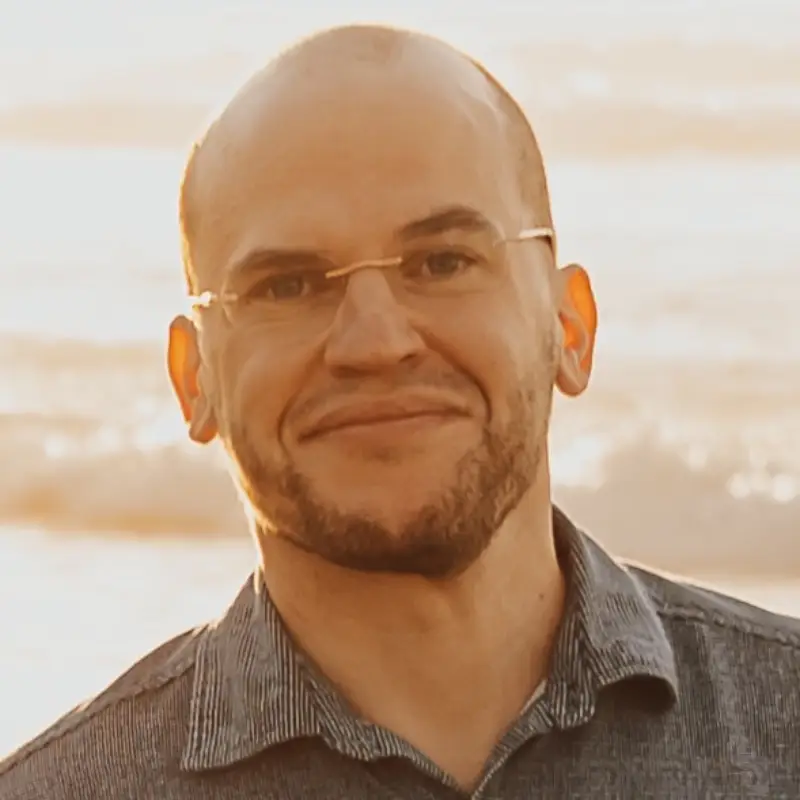
Alexander Lapinski
About
Thank you for taking a moment to read my profile. My name is Alex Lapinski (he/him), and I’m a licensed psychologist based in Los Angeles, and licensed in California and New York. I approach this work with a deep respect for the complexity of human experience and a belief that greater self-understanding can be both clarifying and relieving.I bring a multicultural and contextual lens to my work, with close attention to how culture, identity, family systems, and lived social experiences shape how people understand themselves and are understood by others. Neurodivergence does not exist in a vacuum, and I’m mindful of how factors such as race, gender identity, sexuality, immigration history, and systemic expectations can influence how autism is expressed, masked, overlooked, or misinterpreted over time.I see assessment not as a checklist or a judgment, but as a collaborative process of making sense of patterns, history, and lived experience. My aim is to create a space that feels thoughtful, respectful, and grounded—where you can speak openly and feel genuinely listened to. Each person’s story is unique, and I’m committed to approaching that story with care, curiosity, and nuance.
My interest in working with autistic and neurodivergent adults has been shaped in large part by the clients I’ve worked with over the years. I’ve been continually inspired and educated by individuals who came to a growing understanding of their own neurodivergence—sometimes through our work together, and often through thoughtful self-reflection and research they brought into the therapy room.Witnessing clients make sense of their experiences in this way has highlighted how powerful it can be to have language and frameworks that truly fit. I’ve seen how increased understanding of neurodivergence can bring relief, validation, and a re-storying of one’s life that is grounded in self-compassion rather than self-criticism.This work has reinforced my belief that assessment is not about imposing an external narrative, but about carefully listening, integrating multiple sources of understanding, and honoring the expertise clients hold about their own lives. I’m motivated to offer evaluations that reflect this collaborative spirit and that support people in feeling accurately understood, affirmed, and empowered.
I bring an affirming and strengths-based approach by treating assessment as a collaborative process and by respecting clients as active participants in understanding their own neurodivergence. I view individuals as experts on their lived experience, and I intentionally make space for clients to share their observations, questions, and insights—including research or frameworks they’ve explored on their own.Rather than focusing on what is “missing” or “impaired,” I work to understand how each person’s neurodivergent traits have shaped the ways they think, relate, cope, and succeed. I pay close attention to strengths such as insight, creativity, persistence, and adaptability, while also acknowledging the real costs of masking, burnout, and navigating environments that may not have been designed with neurodivergent people in mind.Throughout the assessment, I aim to offer clarity in a way that supports self-compassion and agency. My goal is for clients to leave the process feeling respected, accurately understood, and better equipped to advocate for their needs, recognize their strengths, and move forward with a clearer sense of themselves.


